HOME > BLOG > Business Management > Harness the Power of Time: 10 Essential Time Management Tips for Busy Professionals
Business Management
Harness the Power of Time: 10 Essential Time Management Tips for Busy Professionals
J
By Jaro Education
April 16, 202314 min read
Last updated on April 3, 2026
SHARE THIS ARTICLE
Table Of Content
Importance of Time Management
Benefits of Time Management Techniques
10 Most Effective Time Management Techniques
How to Choose the Right Time Management Technique?
In today's fast-paced world, time is a precious resource. Busy professionals often find themselves juggling multiple tasks. This can lead to stress and burnout.
Effective time management is the key to maintaining balance. It helps in achieving both personal and professional goals. With the right strategies, you can make the most of your time. The following time management tips and tips for effective time management can help you stay consistent.
Time management is not just about working harder. It's about working smarter. By prioritizing tasks, you can focus on what truly matters. Adopt practical time management techniques that fit your workflow.
Setting clear goals is essential. It provides direction and purpose. Without goals, it's easy to get lost in the daily grind. Exploring goal setting methods provides structure and clarity.
Procrastination is a common challenge. It can derail even the best-laid plans. Finding solutions to overcome it is crucial. Consider simple procrastination solutions such as time-boxing or accountability partners.
Daily planning can make a significant difference. It helps in organizing tasks and setting priorities. A well-planned day is a productive day. Simple daily planning tips and daily time management tips keep your schedule realistic and focused.
Using tools like calendars and to-do lists can enhance efficiency. They provide a visual representation of tasks. This makes it easier to manage time effectively. Apply calendar management tips and thoughtful to-do list strategies to visualize commitments clearly.
Distractions are everywhere. They can significantly impact productivity. Learning to minimize them is vital for success.
Productivity hacks can save time and boost efficiency. Simple changes can lead to significant improvements. It's about finding what works best for you. Incorporate time management productivity tips that complement your strengths.
Learning to say no is a powerful skill. It helps in setting boundaries and managing time better. Not every task deserves your attention.
Regular review and adjustment of plans are necessary. It ensures that you stay on track. Flexibility is key to effective time management. This habit reinforces practical time management skills tips you can reuse.
To-do list strategies can help in prioritizing tasks. They provide clarity and focus. A well-organized list can guide your day.
Time tracking tools offer insights into how time is spent. They help in identifying areas for improvement. This leads to better time management.
Morning routines set the tone for the day. They can boost productivity and focus. Starting the day right is half the battle won. Experiment with morning time management tips such as a short planning session or focused deep-work block.
Harnessing the power of time is within your reach. With these tips, you can achieve more with less stress. It's time to take control of your schedule. These are among the best time management tips to try, and the 10 time management tips below will help you start.
Importance of Time Management
Time management is more than just planning; it’s a vital life skill. It plays a significant role in both personal and professional arenas. Managing time efficiently leads to increased productivity.
When time is managed well, stress decreases significantly. Individuals have a better grasp of their responsibilities. This reduces overwhelming feelings and enhances focus.
Effective time management also promotes a sense of achievement. Completing tasks on time yields satisfaction and boosts morale. It is an essential component of success.
To master time management, one must first understand its key principles. They include prioritization, scheduling, and organization. Grasping these concepts lays a solid foundation. Foundational time management techniques help you work with intention and clarity.
Consider these important aspects of time management:
Prioritization: Focus on tasks that align with your goals.
Scheduling: Allocate specific time slots for tasks and activities.
Delegation: Assign tasks where possible to save time.
Avoidance of multitasking: Concentrate on one task at a time.
Regular review: Evaluate and adjust your plans as needed.
These elements form the cornerstone of effective time management. Embracing them leads to tangible improvements. Over time, managing time becomes second nature.
Benefits for Busy Professionals
Busy professionals often face numerous responsibilities. Time management can be a game-changer in such scenarios. It helps streamline daily activities and reduce chaos. Office time management tips like batching emails and setting clear meeting agendas further reduce friction.
One major benefit is enhanced productivity. Professionals can achieve more in less time. This not only impresses superiors but also furthers career growth.
Time management also leads to better decision-making. With clearer priorities, the decision process becomes smoother. There is less room for error and second-guessing.
Moreover, it ensures that important tasks are not overlooked. By focusing on critical activities, deadlines are met. This prevents last-minute scrambles and reduces anxiety.
Consider these specific advantages for busy professionals:
Improved focus: Minimizes distractions and keeps attention on vital tasks.
Goal achievement: Aligns daily efforts with long-term objectives.
Stress reduction: Provides a clear path forward, lessening worry.
Career advancement: Demonstrates reliability and competence, earning recognition.
These benefits are invaluable in a bustling professional environment. Time management skills set individuals apart. Mastering them elevates performance and opens new opportunities.
Impact on Work-Life Balance
Achieving work-life balance is a common struggle. Time management plays a crucial role in this pursuit. It provides structure and boundaries needed to maintain harmony. These work-life balance tips start with clarity about priorities and realistic scheduling.
Without effective time management, work can easily consume personal time. This blurs the lines between professional and private life. It’s essential to set distinct boundaries to protect well-being.
By organizing work efficiently, time for personal activities becomes available. Whether it’s family time, hobbies, or relaxation, all are important. They contribute to a fulfilling and balanced life.
Achieving this balance enhances overall happiness. Satisfaction from work and personal life grows. This results in a more positive outlook and increased motivation.
Here are ways time management impacts work-life balance:
Boundary setting: Clearly defines work hours and personal time.
Efficiency: Reduces overwork and leaves room for leisure.
Flexibility: Accommodates unexpected personal needs without stress.
Health improvement: Lessens burnout and fosters a healthy lifestyle.
A balanced life brings numerous advantages, both mentally and physically. Time management is the key to unlocking these benefits. It allows for a nurturing and sustainable life balance.
Benefits of Time Management Techniques
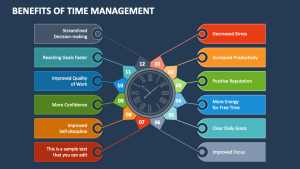
There are multiple benefits of time management techniques. Successful time management strategies help people in organizing their day properly so that every minute is utilized effectively. Prioritization and task setting are done in a realistic manner so that professionals can limit distractions and accomplish more with less time. Better focus and organization directly increase time management productivity, resulting in enhanced performance and lower stress levels. In both your private and professional life, using systematic time management techniques helps you develop discipline, increases confidence, and allows for an improved work-life balance—ultimately making you consistent and successful in the long run.
Managing time effectively is crucial for productivity. Busy professionals can benefit from tested strategies. Here, we share ten essential tips to help manage time like a pro. These 10 time management tips include scheduling tips, calendar management tips, and prioritization techniques you can tailor to your day.
Each tip serves as a building block. Together, they create a comprehensive plan for mastering time. Here are the highlighted strategies:
Prioritize tasks based on urgency and importance.
Harness time tracking tools for data-driven insights.
Develop a routine for daily planning.
Establish clear and achievable goals.
Use effective scheduling techniques.
Limit unnecessary distractions.
Embrace productivity hacks to work smarter.
Learn to assertively say no when needed.
Regularly review and adjust your approach.
Leverage strategic to-do list methods.
Implementing these tips can transform how you manage time. Progress might be gradual, but it will be meaningful. Efficiency and effectiveness await with consistent application.
1. Prioritize Your Tasks
Prioritizing tasks is the essence of good time management. It helps focus on what truly matters. Deciding what to tackle first can reduce overwhelm and increase focus.
When prioritizing, consider task urgency and importance. Some tasks need immediate attention, while others are strategic. Recognizing these differences enhances decision-making.
Use prioritization techniques like the Eisenhower Matrix. It categorizes tasks by urgency and importance. Tasks are sorted into four quadrants:
Urgent and important: Handle these immediately.
Important, but not urgent: Schedule time for these tasks.
Urgent, but not important: Delegate if possible.
Neither urgent nor important: Consider eliminating these.
This approach provides clarity and reduces indecision. It’s easier to concentrate on tasks that align with your goals. Clear priorities mean less stress and more accomplishment.
Consider creating a weekly priority list. This overarching plan guides your daily focus. Reassess priorities as conditions change to stay on track.
Don’t hesitate to ask for help if priorities clash. Input from colleagues or mentors can offer new perspectives. Collaboration can often yield the best outcome.
Understand that priorities can shift unexpectedly. Flexibility is just as crucial in managing your priorities. Adaptability ensures you stay effective even when plans change.
2. Utilize Time Tracking Tools
Time tracking tools provide valuable insights into how time is spent. They reveal patterns that might go unnoticed otherwise. With these insights, adjustments become clear.
These tools can range from simple stopwatch apps to complex software. Choose one that fits your needs and lifestyle. They help in understanding where time goes.
Benefits of using time tracking tools include:
Visibility: Clarifies how much time tasks actually take.
Accountability: Encourages staying on task.
Efficiency: Highlights areas for improvement.
Consider popular tools like Toggl, Clockify, or RescueTime. They offer various features, like project tracking or productivity reports. These insights inform better time management practices.
For instance, a professional might realize meetings take up a significant time chunk. A focus on shortening or reducing meetings can save hours weekly. Such insights lead to strategic time allocation.
Regularly review the data from these tools. Identify trends and patterns to inform your planning. Small tweaks in approach can yield significant results.
Incorporating time tracking as a habit takes practice. Dedicate a few minutes daily to log activities. Over time, this routine will enhance your overall time management skills.
3. Create a Daily Planning Routine
A daily planning routine sets the tone for the day. Start by reviewing your schedule and upcoming tasks. This practice cultivates focus and minimizes chaos.
Begin by allocating a specific time for planning. Morning or evening works best for most people. Select a time when you can think clearly and undisturbed.
Creating a daily plan involves (a few daily planning tips to guide you):
Reviewing tasks: List everything needing attention.
Prioritizing: Determine the day’s most critical tasks.
Scheduling: Allocate time slots for each task.
Consider using a planner or digital calendar. These tools can simplify the planning process and offer reminders. They ensure nothing slips through the cracks.
A well-structured plan boosts confidence. It reduces uncertainty and anticipates potential hurdles. Knowing what to expect helps maintain composure throughout the day.
Flexibility is key when plans change unexpectedly. Adapt your routine while keeping core priorities in mind. A rigid approach can hinder productivity rather than promote it.
Evenings are ideal for reflecting on the day’s achievements. This retrospective adds insight into what worked and what can improve. Learning from each day refines your routine continuously.
4. Set Clear Goals and Objectives
Goal setting is fundamental for effective time management. Clear goals provide direction and motivation. They act as a roadmap guiding daily efforts towards meaningful outcomes.
Begin setting goals with the SMART criteria, a reliable addition to goal setting methods:
Specific: Define clear and detailed objectives.
Measurable: Establish criteria for tracking progress.
Achievable: Ensure goals are realistic and attainable.
Relevant: Align with broader personal or professional aims.
Time-bound: Set deadlines for accountability.
SMART goals turn vague ambitions into actionable plans. They create a focused path to success. Working towards them promotes a sense of purpose.
Consider breaking large goals into smaller tasks. This makes them less daunting and easier to tackle. It’s satisfying to see progress as you complete each step.
Regularly review your goals to stay on track. Celebrating milestones encourages persistence and keeps motivation high. Reflecting on achievements maintains momentum towards larger goals.
Goals naturally evolve over time. Stay open to modifying them as circumstances change. Flexibility keeps goals relevant and aligned with current priorities.
Writing goals down enhances commitment and focus. A physical or digital record serves as a constant reminder. Seeing goals regularly solidifies their importance and reinforces dedication.
5. Embrace Scheduling Techniques
Effective scheduling techniques optimize how time is used. They ensure responsibilities are handled efficiently. This practice maximizes productivity while minimizing stress.
Time blocking is a popular scheduling method. It involves designating specific blocks of time for tasks. This encourages deep focus without interruptions.
Consider using a digital calendar for time blocking. Tools like Google Calendar offer easy scheduling options. These can integrate with other time management tools for cohesive planning.
Useful scheduling tips include batching related tasks and pre-planning meeting agendas. Pair these with calendar management tips such as color-coding and buffer times for context switches.
Implement buffer times between tasks. Short breaks prevent burnout and aid transition. They allow for reflection and preparation, improving task quality.
Schedule priority tasks during peak productivity hours. Identify when you’re most alert and focused. Align your most critical work with these periods for better results.
Use color-coded systems to differentiate task types. Visual cues help easily identify related tasks. This clarity promotes a streamlined approach to daily responsibilities.
Allow flexibility for unexpected changes. Strict adherence to a schedule might cause stress. A flexible mindset aids resilience and adaptability.
Regularly review and adjust your schedule. Reflect on what’s working and tweak areas needing improvement. Continuous refinement enhances the effectiveness of scheduling efforts.
6. Limit Distractions
Limiting distractions is crucial for maintaining productivity. Distractions can derail focus and reduce task efficiency. Managing them proactively leads to better time usage.
Identify common distractions in your work environment. These might include social media, email alerts, or office noise. Knowing the source helps develop strategies to minimize their impact.
Here’s how to limit distractions effectively:
Designate focus periods: Use techniques like the Pomodoro Technique.
Manage notifications: Turn off unnecessary alerts on devices.
Set boundaries: Communicate availability to prevent interruptions.
Create an environment conducive to concentration. Use noise-canceling headphones or ambient music if needed. Personalizing space enhances comfort and focus.
Cultivate habits that foster deep work. For example, scheduling specific times for checking emails. Consistency turns these practices into automatic routines.
Consider using website blockers during work sessions. Tools like Freedom or Cold Turkey help prevent digital distractions. These restrictions keep the focus sharp and undisturbed.
7. Implement Productivity Hacks
Productivity hacks boost work efficiency significantly. They streamline processes, saving time without compromising quality. Small changes can produce remarkable results.
Batching tasks is a simple yet powerful productivity hack. Group similar tasks together to minimize transition time. This practice reduces repetitive context switching.
Leverage technology for productivity enhancements. Automation tools can handle routine tasks. Invest time in exploring suitable apps and platforms.
Incorporate the Two-Minute Rule. If a task takes less than two minutes, do it immediately. Handling small items prevents them from piling up.
Adopt productivity structures like the Kanban system. Visualize work progress with boards or digital apps. This method provides an overview and sense of control.
Regularly explore new productivity techniques. Innovation and creativity can uncover better methods. Tailor hacks to fit personal preferences and working styles.
Remember to evaluate the impact of these hacks. Continuously assess their effectiveness in enhancing productivity. Make adjustments as necessary to stay aligned with goals.
8. Learn to Say No
Saying no is a skill that protects time and priorities. It’s essential to maintain focus on what truly matters. This assertiveness avoids overcommitment and stress.
Recognize when an incoming request clashes with priorities. Politely decline or negotiate a more suitable arrangement. It ensures attention stays on essential tasks.
Communicate effectively when declining requests. Transparency helps colleagues understand your reasoning. This clarity prevents misunderstandings and maintains relationships.
Consider using these strategies to say no gracefully:
Be clear and concise: Provide straightforward explanations.
Offer alternatives: Suggest other avenues if possible.
Set boundaries: Confidently assert your time limits.
Practicing saying no strengthens this invaluable habit. It’s a positive measure to keep priorities aligned. Mastering this ability safeguards well-being and productivity.
Saying no isn’t a rejection but a redirection. It fosters respect for personal and professional boundaries. Taking charge of your time is empowering and leads to growth.
9. Review and Adjust Regularly
Regular review and adjustment keep time management strategies sharp. They ensure practices remain effective and relevant. This habit nurtures continuous personal and professional growth.
Allocate time weekly for reviewing your approaches. Reflect on successes and areas needing improvement. This insight guides decision-making for future steps.
Reassess goals and priorities, as they might shift over time. Circumstances evolve and goals should, too. Flexibility allows adaptation to changing conditions.
Consider adding these elements to your review process:
Evaluate outcomes: What’s working well, and what isn’t?
Seek feedback: Input from peers can offer new perspectives.
Set new targets: Adjust current goals or set new ones if needed.
Regular adjustments keep efforts aligned with desired results. They foster resilience and readiness for future challenges. Being proactive in this process enhances capabilities.
Engage in self-reflection during reviews. Understand emotional responses and how they impact time management. This awareness leads to stronger personal development.
10. Use To-Do List Strategies
To-do lists serve as essential tools for organizing tasks. They provide a clear overview of responsibilities. Different strategies enhance their effectiveness significantly.
Consider structuring your to-do list based on priority. The most critical tasks appear at the top. This direct focus prevents important tasks from being overlooked.
Incorporate the 1-3-5 Rule. This rule suggests completing one big, three medium, and five small tasks daily. It promotes balance and manageable workloads.
Leverage digital to-do list apps if they suit your preference. Options like Todoist or Microsoft To Do offer organization features. They sync across devices for consistent task management.
End each day by planning the next one. Preparing tasks in advance sets a clear direction. This anticipation reduces morning stress and indecision.
Regularly check off completed items for motivation. Seeing progress fuels momentum and encourages continued effort. It brings a sense of accomplishment and drive.
Experiment with various to-do list formats. Visual or digital, structured or loose, find what fits your style. Personalizing the method improves adherence and satisfaction.
How to Choose the Right Time Management Technique?
Using the best time management techniques varies based on your objectives, workflow, and personality. To determine what suits you the best, use the following:
Assess Your Work Style: Determine your best working times in order to pair them with appropriate time management techniques.
Define Your Priorities: Prioritize tasks that do the most towards long-term success.
Experiment and Evaluate: Experiment with different methods such as Pomodoro or Eisenhower Matrix to maximize time management productivity.
Track Your Progress: Utilize planners or online software to track how well each method maximizes outcome.
Stay Flexible: Evolve your strategy as your workload or priorities change to optimize using these time management strategies.
Harnessing effective time management skills reshapes how busy professionals navigate their day. Implementing these strategic tips transforms time into a well-oiled machine working in your favor. The ultimate aim is enhanced productivity and a more balanced life.
Start by prioritizing tasks, assessing importance, and managing them with determination. These initial steps build a strong foundation for time management success. The journey of growth involves consistent learning and adapting.
In the grand scheme of time management, flexibility is paramount. Goals and priorities will shift; being adaptable to these changes is key. Regular evaluation and open communication will refine your strategies, tailoring them to your evolving needs.
To sum up, focus on:
Prioritization and Planning: Organize tasks methodically.
Flexibility and Review: Stay open to adjustments and new insights.
Continuous Improvement: Seek growth and knowledge advancement.
By integrating these elements into your routine, efficiency will flourish and clarity will strengthen. Each small victory you experience will reflect positively on your productivity. This holistic approach, thoughtful and measured, ultimately reaps the rewards of success.
Adapt these ideas to your context: time management tips for business owners often include streamlining operations and delegating. Students can explore time management tips for students, including effective time management tips for students and curated roundups of the best time management tips for students. If you’re just beginning, start with 5 time management tips; for a deeper dive, explore 20 tips for better time management. For regional readers, look for time management tips in Marathi to learn in your preferred language.
Frequently Asked Questions
Start with prioritization using the Eisenhower Matrix: handle tasks that are both urgent and important first, schedule important-but-not-urgent items, delegate urgent-but-not-important work, and consider eliminating the rest. Create a weekly priority list to guide your daily focus, and stay flexible—priorities can shift. If conflicts arise, seek input from colleagues or mentors to clarify what truly aligns with your goals.
Pick a consistent time (morning or evening) to review your calendar and list tasks, then prioritize and time-block them in a digital calendar. Schedule high-priority work during your peak focus hours, add buffer times between tasks, and keep the day realistic with structures like the 1-3-5 rule. End the day with a quick reflection and plan tomorrow’s top items so you start focused.
Designate focus periods (e.g., Pomodoro or time-boxed blocks) and turn off nonessential notifications, while setting specific windows to process email and messages. Communicate your availability to colleagues to set boundaries, use website blockers when needed, and create a focus-friendly environment (noise-canceling headphones or ambient sound). This keeps you reachable on a schedule without constant interruptions.
Use time tracking tools like Toggl, Clockify, or RescueTime to see where your time goes and adjust based on data. Plan with a digital calendar (e.g., Google Calendar) using time blocking, color-coding, and built-in buffers, and manage tasks with to-do apps like Todoist or Microsoft To Do. Keep lists prioritized, check items off for momentum, and review tracking insights weekly to refine your system.
It helps you set clear boundaries between work and personal time, increases efficiency so you’re not overworking, and builds flexibility to handle personal needs without
 HOME > BLOG > Business Management > Harness the Power of Time: 10 Essential Time Management Tips for Busy Professionals
 April 16, 2023
 14 min read










 Admission Open
 Admission Open

 ROI Calculator