Data Science vs. Artificial Intelligence vs. Machine Learning: Key Differences
In the modern technology-enabled era, data science, artificial intelligence (AI), and machine learning (ML) tend to intersect. Each is a distinct discipline with different objectives and techniques. It is crucial for students, practitioners, and organizations to understand the distinctions between AI and machine learning and how they fit into the broader context of data science.
In this blog, let's discuss the controversy between data science, artificial intelligence, and machine learning. We are going to examine their interlinks and how each field sits in today's digital era.
Table Of Content
Understanding the Basics: Data Science, Artificial Intelligence, and Machine Learning
What is Data Science?
What is Artificial Intelligence (AI)?
What is Machine Learning (ML)?
Data Science vs Artificial Intelligence: The Wider View
Data Science vs Machine Learning: Data-Driven Intelligence
Artificial Intelligence vs Machine Learning: A Subset Relationship
How Data Science, AI, and ML Interconnect
Comparing Skills and Career Paths
Conclusion
Frequently Asked Questions
Understanding the Basics: Data Science, Artificial Intelligence, and Machine Learning
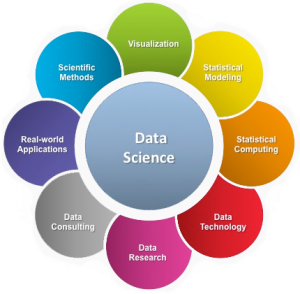
What is Data Science?
*DeveOps School
What is Artificial Intelligence (AI)?
What is Machine Learning (ML)?
Data Science vs Artificial Intelligence: The Wider View
Data Science is all about processing data and discovering unknown insights that enable organizations to make improved decisions.
Artificial Intelligence, however, is all about creating systems capable of doing work that demands human intelligence.
While AI usually uses data to learn and perform, data science is not always focused on building smart systems — sometimes it’s just recognizing trends or predicting outcomes.
Tools and Techniques
Data science vs artificial intelligence also varies in the tools:
- Python, R, SQL, Tableau, and Power BI are used by data scientists for analytics and visualization.
- TensorFlow, PyTorch, and Keras are used by AI engineers to create models that mimic cognitive functions.
Therefore, whereas AI is all about action and automation, data science is all about interpretation and insight.
Data Science vs Machine Learning: Data-Driven Intelligence
Core Difference
The main difference between AI, machine learning, and data science is in their goals:
- Data science seeks to analyze and interpret complex datasets.
- Machine learning aims to create algorithms that can make predictions from data.
So, machine learning is a part of data science, similar to a piece within a larger system.
Applications and Scope
In comparing data science and machine learning, the scope is different:
- Data science applications include data visualization, business intelligence, and forecasting.
- Machine learning is used in recommendation engines, fraud detection, and autonomous systems.
Both fields rely on data, but machine learning automates the learning process, while data science emphasizes human interpretation of results.
Artificial Intelligence vs Machine Learning: A Subset Relationship
Simply put, AI is the wider term, whereas machine learning is a subset of AI.
AI is the concept of building machines that think like human beings, while ML is the mathematical and statistical tools through which this can be achieved.
In practical terms:
AI = the objective (to build intelligent systems).
ML = the method (the process of making systems learn from data).
Hence, if we question what the difference between AI and machine learning is, then we’re basically asking how general intelligence (AI) is achieved through data-enabled learning (ML).
Examples in Action:
AI example: A chatbot that talks to users and changes based on time.
ML example: The underlying algorithm that enables the chatbot to learn from interactions with the user.
Thus, artificial intelligence vs machine learning is the contrast of concept vs technique — AI establishes the aim, and ML offers the approach.
*ChatFAI
How Data Science, AI, and ML Interconnect
Data Science as the Foundation
Data science is usually where it all begins — data gathering, cleaning, and preparation for use.
Machine Learning as the Engine
Machine learning is where one finds the tools and algorithms necessary to train models that learn from this data.
Artificial Intelligence as the Result
Lastly, AI applies these models to mimic decision-making or automate tasks smartly.
Thus, data science vs machine learning vs artificial intelligence are not rivals but partners in the data-driven world.
Comparing Skills and Career Paths
Skills Needed:
Data Science: Statistics, data visualization, SQL, Python, business knowledge.
Machine Learning: Linear algebra, algorithms, neural networks, programming.
Artificial Intelligence: Deep learning, robotics, natural language processing (NLP).
| Domain | Common Job Titles |
| Data Science | Data Analyst, Data Scientist, Business Intelligence Analyst |
| Machine Learning | ML Engineer, Data Engineer, Research Scientist |
| Artificial Intelligence | AI Engineer, Deep Learning Specialist, Robotics Expert |
Industry Applications:
- Data Science: Market trend analysis, predictive analytics.
- Machine Learning: Product recommendations, stock price forecasting.
- Artificial Intelligence: Speech recognition, self-driving cars, virtual assistants.
While data science and artificial intelligence may seem like a choice, they actually complement each other and often overlap in real-world projects.
Conclusion
The discussion about data science, artificial intelligence, and machine learning is more about working together than competing. Each field has its own role:
- Data Science helps us understand data.
- Machine Learning allows systems to learn from that data.
- Artificial Intelligence enables those systems to act intelligently.
Recognizing the difference between AI and machine learning, and understanding how both connect with data science, is vital for anyone stepping into analytics and automation.
Ultimately, success in the digital age relies on bringing together data science, machine learning, and artificial intelligence to create systems that are not only intelligent but also truly transformative.
Frequently Asked Questions


