
How to Become a DevOps Engineer: Skills & Requirements 2025
In today’s fast-paced digital ecosystem, the demand for skilled professionals who can bridge the gap between software development and IT operations is soaring. This is where DevOps engineers come into play. If you’re wondering how to become a DevOps engineer in 2025, you’re exploring one of the most in-demand and rewarding career paths in technology.
A DevOps career involves coding, automation, continuous integration, and deployment to speed up software delivery and make it more dependable. As companies transform into cloud-native settings, learning the DevOps engineer skillset is becoming vital for would-be tech workers. In this blog, we will delve into how to become a DevOps engineer.
Table Of Content
What is DevOps?
Why Choose a Career in DevOps?
Key Responsibilities of a DevOps Engineer
Educational Background for a DevOps Engineer
Essential Technical Skills for DevOps Engineers
Soft Skills for a Successful DevOps Career Path
Top Certifications for DevOps Engineers in 2025
How to Gain Practical Experience?
Career Growth Opportunities
Industry Trends Influencing DevOps in 2025
Steps to Become a DevOps Engineer in 2025
Conclusion
Frequently Asked Questions
What is DevOps?
Before jumping into how to become a DevOps engineer, it is essential to learn what DevOps truly is. DevOps is a union of “development” and “operations.” DevOps is a collection of practices, tools, and philosophies intended to reduce the system development life cycle and produce high-quality software on a continuous basis.
A DevOps career is all about collaboration — among developers, operations staff, and quality assurance engineers — to enhance the efficiency of workflows. When planning how to become a DevOps engineer, keep in mind that DevOps is not tool-centric but rather about establishing a culture of collaborative responsibility and accelerated innovation.
It is vital to have an understanding of this underlying principle before learning the skill set of a DevOps engineer.
Why Choose a Career in DevOps?
Recent industry reports show that the DevOps job market is set to grow significantly through 2025 and beyond. DevOps engineers are earning some of the highest salaries in tech. This makes learning how to become a DevOps engineer a smart move for anyone wanting to secure their future career.
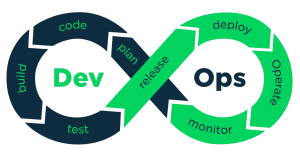
Key Responsibilities of a DevOps Engineer
Here are some major responsibilities in a DevOps career:
– Automation of Processes: Building and maintaining CI/CD pipelines.
– System Monitoring: Tracking performance metrics, identifying bottlenecks, and finding solutions.
– Collaboration: Connecting communication between development and operations teams.
– Infrastructure Management: Managing cloud services and on-premises servers.
– Security Integration: Including security in every stage of software development (DevSecOps).
To carry out these tasks well, a professional must have a strong skill set that includes technical knowledge and soft skills like communication and problem-solving.
Educational Background for a DevOps Engineer
Essential Technical Skills for DevOps Engineers
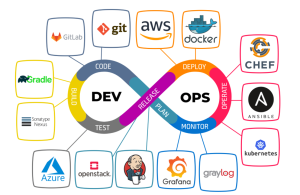
1. Programming and Scripting
There needs to be a solid base in languages like Python, Ruby, or Go. These languages assist with automating tasks and linking systems together, an imperative skill within any DevOps career path.
2. Continuous Integration and Continuous Deployment (CI/CD)
It is important to learn about tools such as Jenkins, GitLab CI/CD, or CircleCI. They automate tests, integration, and deployment — all the skills in a modern DevOps engineer.
3. Version Control Systems
Version control tools such as Git and GitHub support collaboration and version tracking. Learning how to become a DevOps engineer, learning version control is one of your initial steps.
4. Infrastructure as Code (IaC)
IaC tools like Terraform, Ansible, or Puppet automate infrastructure deployment. Being familiar with them is essential in your DevOps career path.
5. Cloud Platforms
The majority of companies today are based on cloud platforms such as AWS, Azure, or Google Cloud Platform. Having knowledge of at least one of these is an essential DevOps engineer skillset.
6. Containerization and Orchestration
Docker and Kubernetes knowledge assist you in building and deploying applications effectively. Understanding these tools is an important milestone in learning how to be a DevOps engineer.
7. Monitoring and Logging
Prometheus, Grafana, and ELK Stack tools are instrumental in monitoring performance and debugging problems in real time — another important component of your DevOps engineer toolbox.
Soft Skills for a Successful DevOps Career Path
- Communication: Being able to explain intricate technical problems in simple terms.
- Problem-Solving: Resolving deployment or integration failure promptly.
- Collaboration: Cross-functional coordination with development and IT teams.
- Adaptability: Keeping pace with changing tools and technologies.
- Leadership: Leading teams through modernization and automation initiatives.
These soft skills augment your DevOps engineer skill set and maximize your development opportunities along the DevOps career path.
Top Certifications for DevOps Engineers in 2025
- AWS Certified DevOps Engineer, Professional
- Microsoft Certified: DevOps Engineer Expert
- Google Professional Cloud DevOps Engineer
- Docker Certified Associate (DCA)
- Kubernetes Certified Administrator (CKA)
- HashiCorp Certified: Terraform Associate
Adding these certifications to your DevOps engineer skillset boosts your credibility and speeds up your career growth in the DevOps field.
How to Gain Practical Experience?
- Contribute to Open Source Projects, where you can collaborate with other developers and operations experts.
- Internships at IT or software companies with active DevOps teams.
- Home Labs, where you can use virtual environments or cloud sandboxes to test tools.
- Hackathons, where you can participate in coding and infrastructure automation challenges.
Each project or internship helps you build a stronger DevOps engineer skillset and gives you real achievements to showcase on your resume. This hands-on experience is essential for advancing in your DevOps career path.
Career Growth Opportunities
- Site Reliability Engineer (SRE)
- Cloud Architect
- Automation Engineer
- Security Engineer (DevSecOps)
- DevOps Consultant or Manager
With a strong DevOps engineer skillset, you can also move into IT leadership roles, leading entire teams through digital transformation projects.
Industry Trends Influencing DevOps in 2025
- AI and Machine Learning Integration – Strengthening automation in testing and monitoring.
- GitOps Practices – Version control for managing infrastructure.
- Shift-Left Security – Integrating security early in the development process.
- Serverless Architectures – Eliminating operational overhead using cloud-native models.
- Sustainable DevOps – Cloud optimization to achieve environmental efficiency.
To remain competitive, developers need to constantly add to their DevOps engineer skill set with these cutting-edge technologies.
Steps to Become a DevOps Engineer in 2025
- Learn Software Development Basics.
- Gain Experience in IT Operations or System Administration.
- Master Core DevOps Tools like Git, Jenkins, Docker, and Kubernetes.
- Understand Cloud Infrastructure such as AWS, Azure, and GCP.
- Build CI/CD Pipelines and Automate Workflows.
- Get Certified in DevOps or Cloud Technologies.
- Work on Real Projects and Collaborate with Teams.
- Stay Updated with Industry Trends and Tools.
Each of these steps helps you develop a strong set of skills needed for a DevOps engineer and prepares you for long-term success in your career.
Conclusion
The path to becoming a DevOps engineer in 2025 involves technical skills, ongoing learning, and working well with others. As companies adopt digital changes, DevOps engineers will play a key role in innovation and efficiency.
By building a varied skillset that includes automation, cloud computing, scripting, and communication, you can open up many opportunities in this rapidly growing field. A career in DevOps not only provides financial benefits but also the reward of driving innovation across industries.
If you’re eager to influence the future of technology, now is the best time to begin your DevOps journey and create a career that’s both exciting and secure.
Frequently Asked Questions
AI is augmenting DevOps, but not supplanting it — it automates mundane tasks and makes the process more efficient. Strong DevOps engineer skillset and an ability to understand AI-based automation will be the hallmark of future DevOps career path.


