How to Build Self-Confidence: Tips for Students & Professionals
In today’s fast-paced world, self-confidence is more than just a personal trait—it’s a fundamental skill that determines success in every area of life. Whether you’re stepping into your first classroom presentation or leading a corporate project, understanding how to build self-confidence can completely transform your personal and professional journey.
Building confidence takes time and doesn't happen overnight. It involves deliberate effort, self-introspection, and real-world strategies that assist you in combating self-doubt. In this blog, we will see how to build confidence step by step, how self-confidence is necessary for students, and how to bring essential self-confidence tips for working professionals, looking forward to excelling in their profession.
Table Of Content
Knowing the Essence of Self-Confidence
Why Self-Confidence Matters in Everyday Life
How to Build Self-Confidence from Within?
Why Self-Confidence Matters in Everyday Life?
How to Build Self-Confidence from Within?
Overcoming Self-Doubt and Negative Thinking
Setting Achievable Goals
The Role of Body Language in Building Confidence
Building Confidence Through Knowledge and Skills
Facing Failures Positively
Surround Yourself with Positivity
Gratitude and Mindfulness
Consistency and Patience
Real-Life Applications of Confidence
Final Thoughts: The Lifelong Journey of Confidence
Frequently Asked Questions
Knowing the Essence of Self-Confidence
It begins with learning that confidence is developed, not inherited. Confidence is developed through experience, learning, and repetition. Students who have confidence in their ability do better in school, and workers with confidence assume responsibility, communicate clearly, and direct teams better.
To build self confidence in students, it is important to support a positive attitude and acknowledge personal successes, however little. For working professionals, confidence generally emerges out of competence at work, effective communication, and professional development.
Why Self-Confidence Matters in Everyday Life
Knowing how to gain confidence helps you face challenges with enthusiasm instead of fear. Students often struggle with anxiety before exams or presentations. Understanding self-confidence for students means helping them believe they can succeed, even when they encounter setbacks.
For working professionals, self-confidence tips can make the difference between staying in one place and moving up in a career. Confident professionals are better at negotiation, leadership, and decision-making. These qualities help them stand out in competitive settings.

How to Build Self-Confidence from Within?
Start with self-awareness. Recognize your strengths and accept your weaknesses without judgment. After identifying areas for improvement, focus on one at a time. This approach helps you learn how to gain confidence through personal development.
For students, this might mean recognizing academic achievements or enhancing communication skills. Professionals can increase their confidence by setting and achieving small, consistent goals at work.
Incorporating daily affirmations, journaling accomplishments, and surrounding yourself with positive influences are practical ways to build inner belief and confidence.
Why Self-Confidence Matters in Everyday Life?
Knowing how to gain confidence helps you face challenges with enthusiasm instead of fear. Students often struggle with anxiety before exams or presentations. Understanding self-confidence for students means helping them believe they can succeed, even when they encounter setbacks.
For working professionals, self-confidence tips can make the difference between staying in one place and moving up in a career. Confident professionals are better at negotiation, leadership, and decision-making. These qualities help them stand out in competitive settings.
How to Build Self-Confidence from Within?
Start with self-awareness. Recognize your strengths and accept your weaknesses without judgment. After identifying areas for improvement, focus on one at a time. This approach helps you learn how to gain confidence through personal development.
For students, this might mean recognizing academic achievements or enhancing communication skills. Professionals can increase their confidence by setting and achieving small, consistent goals at work.
Incorporating daily affirmations, journaling accomplishments, and surrounding yourself with positive influences are practical ways to build inner belief and confidence.
Overcoming Self-Doubt and Negative Thinking
When you find yourself thinking, “I can’t do this,” substitute it with, “I’ll try my best.” Your own mindset changes from a fear of failure to learning excitement over time. The mindset change is especially helpful in creating self confidence for students, who tend to endure academic pressure and comparison.
For professionals, this involves quieting the inner critic who doubts your ability or value. Using self confidence tips for professionals, such as acknowledging milestones and asking for constructive criticism, can turn uncertainty into motivation.
Setting Achievable Goals
Learning to build confidence through goal setting works well because it provides you with concrete evidence of your potential. For students’ self-confidence, having daily or weekly academic goals assists in monitoring progress and reinforces belief in their potential.
The tips for professionals can be utilized by professionals such as developing a career map, completing manageable tasks, and celebrating every success — however small. This creates both capability and self-assurance.
The Role of Body Language in Building Confidence
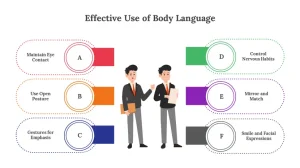
Standing tall, maintaining eye contact, and speaking clearly are simple yet effective ways to show confidence in any situation. For example, when self-confidence is low for students, improving posture and practicing public speaking can greatly boost their self-assurance.
In corporate settings, self-confidence tips for professionals often involve mastering a strong handshake, maintaining open body posture, and speaking assertively during meetings. These physical signals can help your mind believe in the confidence you show.
*SlideEgg
Building Confidence Through Knowledge and Skills
Understanding how to gain confidence through skill-building is especially helpful for both students and professionals. For students, mastering academic subjects, joining clubs, or participating in debates can significantly improve self-esteem.
For professionals, self-confidence tips include enrolling in workshops, attending training sessions, and expanding one’s professional network. Every new skill learned boosts confidence and strengthens your self-image and abilities.
Facing Failures Positively
When you fail, instead of seeing it as a defeat, treat it as a learning opportunity. This is an important principle in gaining lasting confidence. For instance, students’ self-confidence increases when they view mistakes as chances to improve rather than reasons to give up.
Professionals can follow similar self-confidence tips by reflecting on their failures, identifying lessons, and applying those insights in future projects. This resilience becomes a key part of long-term confidence and growth.
Surround Yourself with Positivity
To learn how to gain confidence, restrict exposure to negativity — from people, the media, or your own inner critic. For students, finding teachers or mentors who give constructive encouragement can greatly contribute to self confidence.
In the same way, professional self-confidence tips suggest networking with motivational colleagues, finding a mentor, and working with individuals who support and challenge you. Reinforcement through positive feedback sets confidence in personal and professional self.
Gratitude and Mindfulness
To really know how to build confidence, enjoy the little victories along the way. When you recognize what you have accomplished, it gives you more strength to keep going. This applies especially to students’ self confidence, who tend to forget about their achievements when comparing themselves with others.
For working professionals, self confidence tips such as mindfulness meditation or gratitude journaling assist with stress management and improving attention — both of which are crucial for upholding consistent confidence levels.
Consistency and Patience
To learn how to build lasting confidence, practice small, habitual behaviors such as positive self-talk, readiness, and self-discipline. For student self confidence, normal study habits and class attendance ensure progress.
Similarly, self confidence advice for professionals emphasizes sustaining performance, requesting feedback, and consistently updating capabilities. As time passes, they build up and form a stable, long-lasting foundation of self-confidence.
Real-Life Applications of Confidence
Understanding how to gain confidence can also improve your relationships and emotional intelligence. For students, self-confidence leads to better participation, leadership in group projects, and a proactive approach to learning.
For professionals, self-confidence tips result in better decision-making, stronger leadership, and the ability to manage workplace challenges effectively. In both areas, confidence serves as a bridge between potential and achievement.
Final Thoughts: The Lifelong Journey of Confidence
Learning how to build self-confidence is not a one-time effort but a lifelong journey. The goal is to develop a mindset that grows with experience and challenges.
If you’ve ever wondered how to gain confidence that feels natural and authentic, remember it starts with self-awareness, builds through consistent effort, and strengthens through resilience.
For students, nurturing belief during early years sets the stage for future success. For career growth, using self-confidence tips for professionals can open new doors to opportunity, leadership, and fulfillment.
In essence, confidence is not about perfection; it’s about progress. Every step you take to believe in yourself is a victory that brings you closer to your goals. Start today, and you’ll soon realize that the power to achieve anything truly begins within you.
Frequently Asked Questions
The golden rule to understanding how to build confidence is believing in oneself even before others do. This attitude is at the core of how to develop self confidence and enables enduring self-assurance among both professionals and students.


