Jaro Education
Online UG
November 4, 2025

Best Jobs After BTech: Career Options After Engineering With Salary

Choosing the right career after completing a B.Tech is one of the most pivotal decisions for any engineering graduate. With the job market expanding beyond traditional roles and industries becoming increasingly tech-driven, engineering graduates now have access to a diverse range of career paths—many of which offer lucrative salaries, long-term growth, and opportunities to work on cutting-edge technologies.

Whether you’re passionate about building products, analyzing data, managing systems, or leading innovation, there’s a world of possibilities awaiting you. However, navigating these options requires clarity, awareness of industry demands, and often, the right upskilling at the right time. This blog explores the best jobs after BTech, comparing roles, salary ranges, required skills, and how professionals like you can stay ahead by making informed career moves.

Table Of Content

Navigating Life After BTech: What Comes Next?

Best Jobs After BTech And Salary Insights

How Jaro Helps You Get There

Chart Your Path Forward with Confidence

Frequently Asked Questions

Best Jobs After BTech And Salary Insights

Here’s a curated list of the most promising jobs after BTech and salary, spanning core engineering, IT, management, analytics, and emerging tech roles. Each option is evaluated based on salary trends, industry demand, required skills, and advancement potential.

1. Software Developer / Full Stack Developer
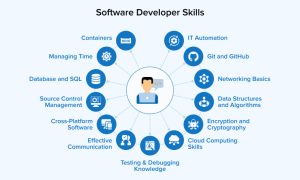
Software Developer

A classic yet ever-evolving choice, software development remains one of the best jobs after BTech in Computer Science, IT, or Electronics.

ParameterDetails
Industry DemandHigh (IT, Fintech, SaaS, Startups)
Average Salary₹4.5 – ₹12 LPA  
Top SkillsJava, Python, Node.js, React, Git, SQL, Agile methodology
ProsHigh demand, remote-friendly, good pay growth
ConsRequires constant upskilling, competitive hiring

Source: GeeksforGeeks

2. Data Scientist / Data Analyst

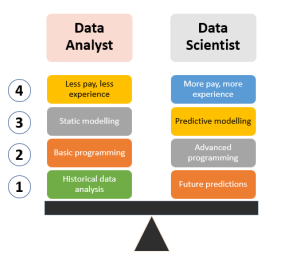
data scientist vs data analyst

For those inclined towards math, statistics, and programming, data roles are among the best jobs after BTech today.

ParameterDetails
Industry DemandGrowing rapidly across BFSI, e-commerce, healthcare
Average Salary₹6 – ₹18 LPA
Top SkillsPython, R, SQL, Tableau, Machine Learning, Excel
ProsHigh impact roles, cross-industry demand
ConsLearning curve for freshers without analytics background

3. DevOps Engineer / Cloud Engineer

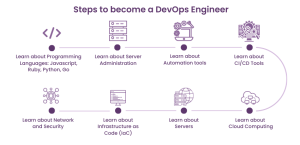
DevOps Engineer

Cloud and DevOps roles have seen a surge due to the digital shift. These are high-paying job opportunities after BTech in IT or Electronics.

ParameterDetails
Industry DemandStrong (Tech, BFSI, Telecom, Government)
Average Salary₹7 – ₹20 LPA
Top SkillsAWS, Azure, CI/CD, Docker, Kubernetes, Linux
ProsFuture-proof, high growth
ConsRequires continuous certifications and technical depth

4. Artificial Intelligence / Machine Learning Engineer

Machine Learning Engineer

AI/ML is transforming industries and offers some of the best jobs after BTech in terms of innovation and salary.

ParameterDetails
Industry DemandHigh across EdTech, HealthTech, Fintech
Average Salary₹8 – ₹22 LPA
Top SkillsPython, TensorFlow, NLP, Deep Learning, Data Wrangling
ProsInnovative, high salary, cutting-edge work
ConsDemands strong foundation in maths and AI concepts

5. Cybersecurity Analyst / Ethical Hacker
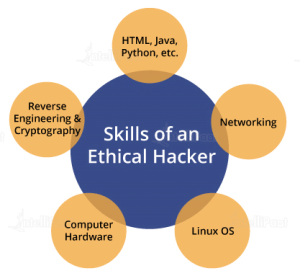
Ethical hacking skills

With rising cyber threats, cybersecurity professionals are highly sought after.

ParameterDetails
Industry DemandCritical in BFSI, Defence, IT
Average Salary₹5 – ₹15 LPA
Top SkillsNetworking, SIEM, Pen Testing, Security Tools
ProsStrong demand, job stability
ConsRequires certifications (CEH, CISSP, etc.), can be stressful

6. Product Manager (Tech)

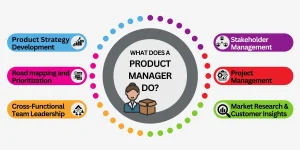
product manager

BTech grads with strong communication and strategic thinking skills can excel in product roles.

ParameterDetails
Industry DemandBooming in SaaS, Tech, Consumer Apps
Average Salary₹10 – ₹30 LPA
Top SkillsProduct lifecycle, Agile, UX, Market Research, Communication
ProsLeadership track, high visibility
ConsDemands cross-functional knowledge and experience

7. Civil / Mechanical / Electrical Engineer (Core Roles)
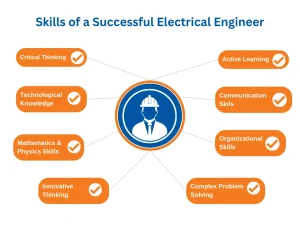
Electrical Engineer

Traditional engineering roles still offer viable jobs after BTech, especially in infrastructure and manufacturing.

StreamAverage SalaryIndustries
Civil Engineer₹3.5 – ₹9 LPAReal Estate, Government Projects
Mechanical Engineer₹4 – ₹10 LPAAutomotive, Aerospace, Manufacturing
Electrical Engineer₹4 – ₹12 LPAPower, Energy, Electronics

Pros: Industry relevance, public sector opportunities
Cons: Limited growth without specialization or higher education

8. Business Analyst

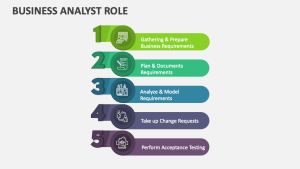
Business Analyst Roles

Combining business acumen with tech insights, business analysts act as bridges between teams.

ParameterDetails
Industry DemandPopular in IT, Consulting, BFSI
Average Salary₹5 – ₹14 LPA
Top SkillsExcel, SQL, Data Interpretation, Communication
ProsStrategic roles, transferable skills
ConsMay require an MBA or domain knowledge for advancement

9. Government and Public Sector Jobs
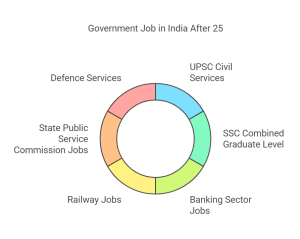
Government jobs

PSUs, defense roles, and civil services are stable, respected jobs after BTech for those preferring structured growth.

Job TypeStarting SalaryExam
PSUs (like BHEL, NTPC)₹6 – ₹12 LPAGATE
Civil Services / IES₹9 – ₹15 LPAUPSC
DRDO/ISRO Scientist₹7 – ₹13 LPAGATE + Interview

Pros: Job security, perks, societal impact
Cons: Competitive exams, limited flexibility

10. MBA & Managerial Roles

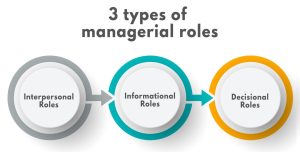
Managerial Roles

An MBA post-BTech opens doors to finance, marketing, operations, and consulting roles.

ParameterDetails
Industry DemandEvergreen across sectors
Average Salary (Post MBA)₹12 – ₹25 LPA
Top SkillsLeadership, Business Strategy, Analytics

Pros: Career shift, higher packages
Cons: Requires 2 years full-time or executive learning

How Jaro Helps You Get There

Navigating these job opportunities after BTech requires more than just a degree. Upskilling with market-relevant programs is key. That’s where Jaro Education steps in as your trusted guide.

Why Choose Jaro?

Jaro Education collaborates with top-tier institutes like IIMs, IITs, and global universities to offer executive and certificate programs designed for ambitious professionals.

Program Highlights:

FeatureDetails
Partner InstitutesIIM Ahmedabad, IIT Delhi, Symbiosis & more
Learning FormatOnline + Live Sessions
Duration6 – 24 months (depending on program)
Ideal ForWorking professionals, BTech graduates, career switchers
Support OfferedCareer counseling, project work, Jaro Connect alumni access

Explore exclusive programs with India’s top institutes – from Artificial Intelligence to Product Management. Jaro is not a degree-granting institute but a premium service partner helping professionals access high-quality executive and certification programs. It offers:

  • Personalized counseling to match your career goals
  • Curated upskilling programs based on job market analytics
  • Jaro Connect for networking and placement support

Whether you’re looking to boost your salary, transition careers, or explore the best jobs after BTech, Jaro provides the tools and mentorship to get you there.

Chart Your Path Forward with Confidence

Choosing the right path after BTech can feel overwhelming, but it’s also an opportunity to shape your future. With the world embracing digitization, automation, and innovation, the jobs after BTech are no longer confined to traditional roles.

Whether you’re eyeing a high-paying data science job, considering a product management track, or aiming for a government post, the key is upskilling smartly and strategically. That’s where Jaro Education can make all the difference—by offering curated programs, industry-aligned insights, and dedicated support.

Your engineering degree is just the start. Let Jaro help you unlock the next level of your professional journey.

Frequently Asked Questions

Jaro offers personalized counseling, access to Jaro Connect (its exclusive alumni and career support network), and ensures learners receive timely updates, project assistance, and guidance from industry experts.

Absolutely. Most programs offered by Jaro are designed in flexible, online formats that accommodate working professionals. Live sessions are often scheduled on weekends or evenings.

Unlike self-paced online videos, Jaro’s programs are in collaboration with premium institutes like IITs and IIMs. They feature live sessions, real-world projects, mentorship, and industry-recognized certifications.

Yes, many Jaro learners have successfully transitioned into new roles by gaining industry-relevant skills in areas like data science, product management, cloud computing, and more. However, actual outcomes vary by individual effort and program chosen.

Yes. Most programs require a minimum of a Bachelor’s degree (such as BTech) and, in some cases, work experience ranging from 1–5 years, depending on the program. Specific eligibility details are provided for each course, and Jaro’s counselors help guide applicants through the requirements.

Yes. Upon successful completion, learners receive a certificate or credential from the partnering institute (e.g., IIM, IIT, or international university), which holds strong industry recognition. These are not generic online certificates but formal acknowledgments from the academic partner.

EllispeLeftEllispeRight
whatsapp Jaro Education