Marketing Communication Process: Strategies & Examples
You’ve likely experienced this yourself: sometimes an advertisement doesn’t merely inform you about a product, it elicits an emotion. It might be an old-timesy jingle, an ironic meme on Instagram, or that sentimental festival commercial that magically appears in your YouTube queue. That right there is marketing communication at work.
And here’s the reality: Having a wonderful product just isn’t enough anymore. If no one knows about it, if no one gets it, or worse, if people are getting conflicting messages, the product will flounder. That is why firms depend on concise, organized, and consistent communication.
But there’s more. Behind every campaign sits a process of marketing communication that ensures the right message gets to the right people. And to take things further, businesses today rely on something called integrated marketing communication (IMC), which is essentially about keeping your messaging seamless across every platform.
Let’s dive deeper into what this really means, why it matters, and how some of the world’s best brands pull it off.
Table Of Content
What is Marketing Communication?
The Process of Marketing Communication
How Integrated Marketing Communication Works in Practice
Importance of Integrated Marketing Communication
Strategies for Successful Marketing Communication
Challenges in Marketing Communication
Future of Marketing Communication
How Jaro Education Can Help You Excel in Marketing
Conclusion
Frequently Asked Questions
What is Marketing Communication?
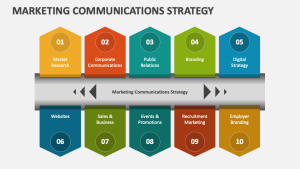
In simple terms, the integrated marketing communication definition is the way a brand communicates with its audience, which means how they “talk,” and not “sell.” Because communication is not always about coupons or slogans, it’s about making people aware, making them interested, creating desire, and pushing people to act.
It goes like this:
- First, it informs you that you exist.
- Then it generates curiosity regarding your product or service.
- Later, it fuels purchases.
- And ideally, it fosters long-term loyalty.
But how is it done? With various methods, like advertising, PR, content, online marketing, promotions, and even packaging design.
For example, consider Starbucks. Their messaging is never simply “buy our coffee.” It’s more about community, lifestyle, and comfort. Their Instagram stream, the holiday cups, app push notifications, and even the tunes in the cafe all collectively amount to one unified voice. That’s correct marketing communication.
But keep in mind, in order for this to be effective, there needs to be a system. Otherwise, the message is lost. That’s when the process of marketing communication steps in.
The Process of Marketing Communication
How Integrated Marketing Communication Works in Practice
Importance of Integrated Marketing Communication
Strategies for Successful Marketing Communication
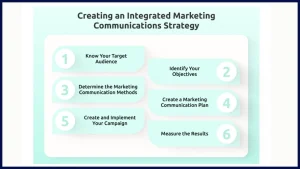
Okay, so how do brands really make their communication stick? Here are some practical, tested strategies:
- Know Your Audience: Different groups need different approaches. A teenager on TikTok doesn’t want the same message as a corporate manager on LinkedIn. Use data, research, and even customer feedback to segment properly.
- Keep the Message Clear: Don’t complicate things. A confused customer is a lost customer. Short, sharp, and emotionally engaging messages work best.
- Pick the Right Channels: Not all brands fit all places. B2B businesses live and breathe on LinkedIn and webinars. Consumer brands tend to be more radiant on Instagram, YouTube, or TikTok.
- Tell a Story: Stories trump stats, every time. A compelling story engages people emotionally.
- Consistency is Everything: Whether it’s an Instagram post, a podcast advert, or a billboard, keep the tone, visuals, and values consistent.
- Measure and Adjust: Consider KPIs, like clicks, shares, conversions. Be willing to pivot if that doesn’t work.
Challenges in Marketing Communication
- Market saturation → Too much noise.
- Cultural differences → Miscommunication in global markets.
- Digital fatigue → Overexposure to ads.
- Crisis situations → Negative PR spreading faster.
- Short consumer attention span.
Example: Pepsi’s Kendall Jenner ad controversy.
Future of Marketing Communication
- AI-fueled Personalization: Smarter targeting, more personalized messaging.
- AR/VR Marketing: Immersive, interactive brand experiences.
- Real-time Interaction: Live streaming, chatbots, real-time responses.
- Omnichannel Norm: Customers will demand one cohesive experience across devices and platforms.
The future of integrated marketing communication is even more linked, with brands integrating physical and digital touchpoints like never before.
How Jaro Education Can Help You Excel in Marketing
At Jaro, we don’t just provide courses, we build career pathways. Our ethos is rooted in making professionals industry-ready with programs that are practical, flexible, and tailored for today’s fast-paced business world.
Some of our most prominent programs include:
- Online MBA – Dr. D. Y. Patil Vidyapeeth
- Online MBA – Manipal University, Jaipur
- Online MBA Degree Programme – Symbiosis School for Online and Digital Learning (SSODL)
- Online Master of Business Administration – Chandigarh University
- Executive MBA – Dayananda Sagar University
Whether you’re eyeing leadership roles, aiming to master integrated marketing communication strategies, or just looking for that competitive edge, these programs are designed to elevate your expertise.
Why choose Jaro? Because we believe in bridging learning with real-world application. So why look further? Explore our courses today and take the next step toward becoming a marketing leader!
Conclusion
The takeaway? Scattershot, fragmented campaigns aren’t going to make it anymore. Customers crave clarity, trust, and frictionless experiences. And brands that nail this create relevance and loyalty.
Frequently Asked Questions
It organizes the way messages travel from brand to customer, so that communication is obvious and efficient.
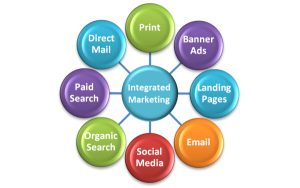
It’s the process of bringing all marketing channels, like ads, PR, digital—into a single cohesive brand voice.


