10 Tips for Employee Performance Appraisal Methods
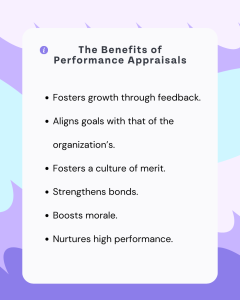
We all know performance appraisals have a negative reputation. Employees dread them, managers rush through them, and HR professionals see them as a “box-checking” activity. But here’s the thing: when performance appraisals are done well, they have the potential to change your workplace. Performance appraisals have the power to transform dissatisfied employees, who may be nearing retirement, into engaged high performers. They create clarity around expectations, solidify roles, and generally promote a culture of growth over fear.
Consider appraisals not as the uncomfortable “report card meeting”, but rather as a real discussion between a manager and employee, an opportunity for recognition and feedback, and all feedback is inherently intended to be followed by improvement.
So, how do you achieve this? How do you design a performance appraisal process that feels less like a trial and more like a partnership in progress?
In this blog, we will provide you with a breakdown and 10 simple tips to help make both your performance appraisal methods and processes more engaging, fair, and effective. Let’s get started!
Table Of Content
10 Common Performance Appraisal Methods
Wrapping Up
Frequently Asked Questions
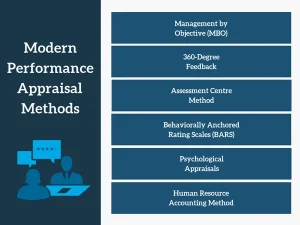
10 Common Performance Appraisal Methods
Employees will complain about one thing in the appraisal process: the “mystery factor”. They weren’t sure about the criteria, the weightage, or why they were rated the way they are. The secrecy causes mistrust.
This is why it is important to be transparent. You can share the evaluation strategy in advance and explain the process. For instance,
- If teamwork has a weight of 40%, let them know.
- If deadlines have a weight of 30%, let them know upfront.
Likewise, with this process of performance appraisal, employees can then make adjustments to their work instead of feeling blindsided by the evaluation criteria.
Wrapping Up
At the end of the day, performance appraisal is about partnership; employee and employer, feedback and action, recognition and development. Also, if you’re looking to boost your skills and career growth? Jaro Education offers top-notch online MBA programs that focus on specialisations like Human Resources Management or Organisational Behaviour, degree and certification programs in collaboration with India’s leading institutions and schools, designed for working professionals and freshers alike. Learn from industry experts, gain real-world insights, and stay ahead in today’s competitive job market with Jaro Education!
Frequently Asked Questions
Traditional employee appraisal methods include 360-degree feedback, management by objectives (MBO), self-appraisal, and behaviorally anchored rating scales (BARS).


