
PhD Meaning: What Does PhD Stand For? A Simple Explanation
“Doctor” does not always mean stethoscope and patients. Sometimes, it means books, research papers, sleepless nights, and the highest qualification available in academia. Yes, we are talking about a PhD. You have probably heard of this word several times. Professors hold it with pride. Researchers mention it. And students dream of it. But have you thought: what is PhD meaning? Or what is the full form of PhD?
In India, it is interesting to understand that education is potentially the most respected and thus the only way to career success, so a PhD can be a dream for some. But there are many people who are still unsure of the exact PhD meaning, purpose, or value of a PhD.
So, let us try to break it down in the simplest way possible in this blog: What is PhD full form in education?
Table Of Content
PhD Meaning: Explained
Why Is a PhD Important?
PhDs vs. Other Terminal Degrees
Careers That Typically Require a PhD
Your Journey to Top-Quality Education
Frequently Asked Questions
PhD Meaning: Explained
PhD, as an abbreviation, stands for Doctor of Philosophy. Don’t let the word “Philosophy” fool you; it doesn’t mean that every person who earns a PhD studied philosophy. In this case, the word “Philosophy” is derived from the Greek word philosophia, or “love of wisdom”. So, in simple terms, PhD meaning is simply synonymous with creating original research and knowledge in your discipline.
A person with a PhD is considered an expert, a person who creates new knowledge for the world instead of studying what is known. Whether it is science, literature, economics, or education, a PhD is the terminal academic degree that means delving into the depths of a subject and finding something of worth. A PhD meaning here also implies that you are a master of a specialised area within the field you’re studying.
Why Is a PhD Important?
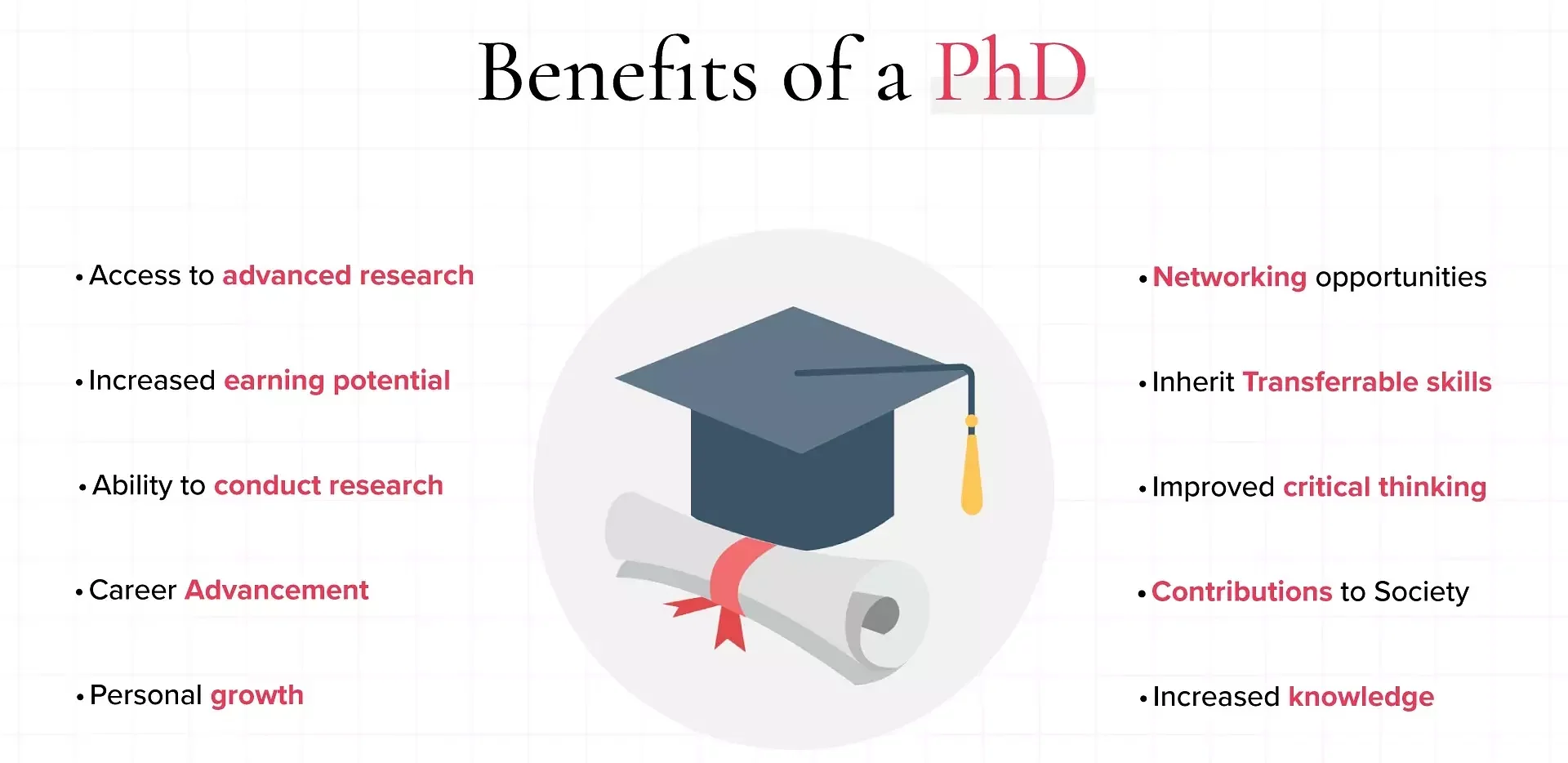
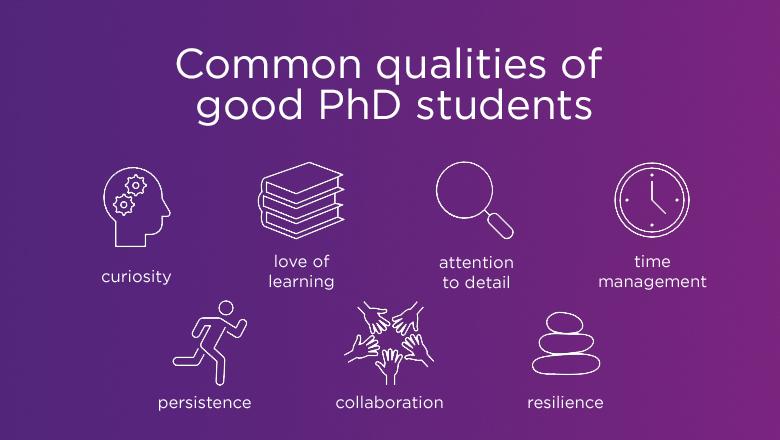
Aside from the career benefits, a PhD changes you as a person. You will have gone through ups and downs, disappointments and rejections, and rewritten things so many times that it will be uncountable. Then you will have developed resilience, determination, discipline, and problem-solving abilities.
By the end of the process, you are not only an expert in your area of study, but you will also be much more resilient, disciplined, and able to confront the bigger challenges that life throws your way. This transformational process reflects the deeper phd meaning.
PhDs vs. Other Terminal Degrees
Careers That Typically Require a PhD
A PhD is not just about putting “Doctor” in front of your name; it is the only way to some of the most respected and demanding jobs available. In the sciences (particularly those focused on the life sciences), education, social sciences, and the humanities, a doctorate is typically the minimum qualification for advanced teaching and research positions.
For instance,
- In India and abroad, most universities will only hire you as an assistant professor if you have a PhD, where you are responsible for teaching and supporting students in their research.
- Other roles, like research associate or research scientist, involve doing this kind of work, and they also require a doctorate because they involve designing experiments, publishing results, and providing new knowledge to the area through the work you do.
- Senior academic positions on the administrative side, like an assistant (vice) or dean of students, require a PhD as well because you have to provide (even) policy like leadership, assist in creating a culture, and this is why PhD holders are preferred in such roles.
Your Journey to Top-Quality Education
A college degree may set you up for your future career, but following the path all the way through to a doctorate program is at an entirely different level. The process of pursuing a doctorate requires commitment, time, and reliability. It’s also for someone who really enjoys learning! Here again, the PhD meaning becomes more about passion than obligation.
Before you pursue this possibility, think about whether you are ready to take the challenges and rewards that come along with this pursuit. A doctorate can change your life by not only influencing your career trajectory but also changing your idea of what knowledge and discovery mean. That is the ultimate PhD meaning: growth, knowledge, and contribution.
So, if you are ready for career advancement, pursue a doctorate program or online PhD courses through Jaro Education. Whether it’s exploring the complexities of quantum physics or uncovering the mysteries of human behaviour, a doctoral course provides the platform to engage with the subject matter on a profound level. Also, reach out to us to get proper career counselling and academic support from our experts.
Frequently Asked Questions
If you’re wondering what a PhD stand for, well, it stands for Doctor of Philosophy. Despite the name, it is not limited to philosophy; it covers a wide range of subjects from science to the humanities.
Typically, a PhD in India takes about 3–6 years, depending on the field of study, research topic, and university requirements.
No, a PhD is mainly required for careers in academia, advanced research, or specialised leadership roles. Many professions only need a master’s or professional degree.


