Real-time Applications in Cloud Computing
Real-time Applications in Cloud Computing have transformed the way businesses operate by allowing the processing of data instantly, rapid scalability, and seamless collaboration. Today, organizations embrace cloud applications in cloud computing to provide faster services, minimize downtowns, and make wiser decisions. These solutions support everything from live analytics and automation to remote work and customer engagement.
With the rise of advanced technologies such as AI, IoT, and edge computing, the adoption of real-time Applications in Cloud Computing has been growing across sectors. Many examples of cloud-based applications, including video conferencing tools, real-time tracking systems, and online collaboration platforms, have shown how the cloud powers modern-day digital experiences. As companies continue to grow, so does the demand for more innovative cloud applications in cloud computing.
Table Of Content
Prime Technologies Enabling Cloud Computing Applications in Real-Time
Cloud Based Applications Examples
Real-Time Application of Cloud Computing in Diversified Industries
Future Trends in the Cloud Computing Ecosystem
Improved Data Processing and Analytics in Real-Time
Artificial Intelligence (AI) and Machine Learning (ML) Integration
Edge Computing Advancements
Conclusion
Frequently Asked Questions
Prime Technologies Enabling Cloud Computing Applications in Real-Time
Cloud architecture and real time cloud computing applications have gained momentum in the present world for their immense capabilities. These applications are leveraged by numerous technologies that provide responsive and effective solutions. To understand various key technologies associated with real-time cloud computation, keep exploring further.
1. Cloud Infrastructure and Scalability
When it comes to the real-time application of cloud computation, cloud infrastructure forms the foundation. Cloud service providers equip users with a scalable and reliable infrastructure that seamlessly allocates on-demand resources. The infrastructure ensures the applications have enough storage capacity and computational abilities to process and deliver data in real time.
2. Internet of Things (IoT) Integration
Developers have opened up new possibilities for real-time applications by introducing the innovative idea of integrating IoT devices with cloud computing. With IoT, users can continuously generate data streams while using cloud computing. In this way, applications can collect and process data.
3. Big Data Processing and Analytics
Real-time applications frequently have to deal with data in large quantities. Big data processing and analytics technologies can effectively handle data spontaneously. Technologies like Spark and Apache Hadoop databases promote swift processing, analysis, and extraction of accurate insights.
4. Function as a Service (FaaS) and Serverless Computing
FaaS and serverless computing are significant paradigms in cloud computing. They offer tons of benefits for real-time applications. These aspects of cloud computing have unparalleled scalability and offer competitive resource management scopes. As serverless computing follows an event-driven architecture, it is well-suited for real-time applications. This is because such applications need immediate responses based on incoming events which are triggered by serverless computing.
5. Real-Time Monitoring and Surveillance
Monitoring in real time allows remote tracking of devices and sensors. This feature is especially valuable for logistics, energy, and agriculture industries. In these industries, the condition and performance of assets must be monitored in real-time. Besides monitoring equipment, security and surveillance systems are great resources to tackle incidences, and prevent them. From public places to transportation systems, such technologies can provide security against potential breaches, ensuring public safety.
6. Edge and Fog Computing
To address the requirement of low-latency processing at the network edge, edge and fog computing have emerged as game changers. By bringing computing resources in close proximity to data sources, these technologies diminish latency and promote efficient operations for real-time applications. These technologies also offer offline services that ensure uninterrupted operation even in conditions of unstable internet connections.
7. Data Streaming and Processing in Real-time
Data streaming technologies like Azure Event Hubs, Apache Kafka, and Amazon Kinesis are ideal for continuous and high-speed data digestion. With these technologies, applications can quickly receive and process data streams as they are generated. This ensures prompt updates and actions based on real-time events.
Cloud Based Applications Examples
- Google Workspace is a widely used productivity suite; it allows real-time collaboration, document sharing, and the exchange of information. It is one of the most common cloud-based applications examples in use by teams across the world.
- Microsoft 365 – Provides cloud-powered applications such as Word, Excel, and Teams that highlight how Applications in Cloud Computing enhance workflows and promote efficient remote work.
- Dropbox is a secure file storage and sharing platform that epitomizes key cloud applications in cloud computing for both enterprises and individuals.
- Netflix is a popular streaming platform that entertains users with instant access to movies and shows around the globe, hence is one of the best cloud-based applications examples in entertainment.
- Spotify streams music using the cloud effortlessly to millions of listeners. This is an example of Applications in Cloud Computing in real time.
- Amazon Prime Video: This enables high-quality video streaming with cloud servers, scaling up the content delivery with ease as demand soars.
- Amazon & Flipkart can be considered e-commerce sites whereby cloud applications in cloud computing handle or deal with transactions, inventory, and recommendations efficiently.
- Slack – A communication tool operating completely on the cloud; hence, it is another strong example of cloud-based applications.
Real-Time Application of Cloud Computing in Diversified Industries
1. Industry of Finance and Trading
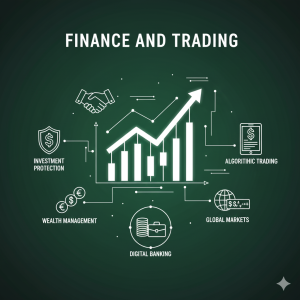
The industry of finance and trading has immensely benefitted from cloud computing applications. They are essential tools for analysing the market and stock trading in real-time. Moreover, these applications help traders with up-to-the-minute data on market trends, stock prices, and trade execution. Traders can make split-second decisions and execute trades by taking advantage of cloud computing applications. From fraud detection and risk management to monitoring financial transactions and identifying anomalies, real-time applications can profoundly equip setups in carrying out such critical operations.
2. Transportation and Logistics Industry
Like finance and trading, the transportation industry has also accelerated by integrating cloud computing applications. Monitoring locations, optimisation of routes and tracking the status of vehicles is now made easy. From planning routes to scheduling them, companies can effectively carry out all these operations within the same platform. Logistics can also be empowered with the incorporation of cloud computing applications. Supply chain management and inventory control can be smoothened. Users can gain real-time visibility into inventory levels, production data, and demand fluctuations to ensure timely restocking.
3. Healthcare Industry
Real-time applications have transformed healthcare by improving patient care and enhancing medical procedures. By using these applications, real-time patient monitoring has been simplified. From keeping track of vital signs to detecting abnormalities and critical situations, these applications have exponentially improved patient outcomes. Diagnoses and treatments are more precise with such applications, indicating enhanced facilities. Remote telemedicine and virtual consultations are also possible with real-time applications. This allows patients to get medical advice and healthcare assistance swiftly.
4. Gaming and Entertainment Industry
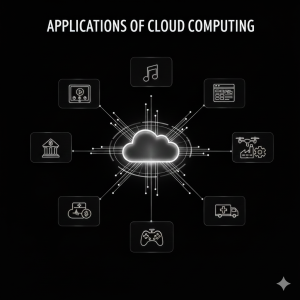
In the last few years, the gaming and entertainment industry has seen a massive upsurge, all thanks to technological advancement, especially in cloud computing. The gaming fraternity can indulge in gaming sessions that are highly immersive and interactive. It develops a sense of excitement and community when users can connect and compete with one another. Besides gaming, users can enjoy live events and concerts through real-time applications, creating a dynamic entertainment experience.
5. Communication Across Industries
Cloud computing has proved transformational by providing real-time audio and video conferencing tools. Individuals and companies can communicate and share information in various geographic locations without hassle. Besides audio and video communications, these applications facilitate screen sharing and document collaborations. Such facilities aid in having a productive remote work environment. Information exchange through instant messaging and sharing platforms has made it possible to remain at par with the rapidly-evolving industry-specific operations.
Future Trends in the Cloud Computing Ecosystem
Improved Data Processing and Analytics in Real-Time
1. In-Memory Computing
In the near future, in-memory computing technologies with attain prominence. By storing data in RAM, companies can achieve impromptu data processing, enabling analytics on large datasets in real-time.
2. Complex Event Processing (CEP)
CEP platforms are expected to become highly sophisticated. These platforms can help organisations to identify patterns and correlations in real-time data and act upon them. CEP systems can concurrently analyse multiple events data and help detect critical scenarios and trigger automated actions.
3. Stream Processing Frameworks
Apache Kafka and Apache Flink are two major stream processing technologies that will see further fruitful developments. These frameworks facilitate real-time stream data processing, allowing companies to derive immediate insights from continuous data streams.
Artificial Intelligence (AI) and Machine Learning (ML) Integration
1. Real-Time Predictive Analytics
AI and ML models can be integrated into various data processing pipelines to promote predictive analytics. Using historical data and current inputs, companies can accurately predict and take proactive actions. These actions can support various domains, including healthcare, supply chain management, and finance.
2. Automation of Decision-Making
As AI algorithms become further advanced, they will act as a pillar in automating the decision-making process. The applications will reduce the necessity of manual intervention by leveraging AI models to detect anomalies and analyse data to make the right decision in real-time.
3. Improved Trustworthiness of AI
Currently, AI and ML systems are under speculation about their transparency and accountability. However, this situation may subside with consequent innovations in AI and ML systems. Organisations can access and build AI models providing accurate explanations for making decisions. This will ensure the ethical use of AI in real-time applications and increase their trustworthiness.
Edge Computing Advancements
Enhancement of Edge Devices and Their Processing Power
IoT devices and gateways are some edge devices that will gain traction in executing complex analytics and processing tasks at the network edge. Such developments can help organisations to perform intricate computations closer to the data source, ensuring reduced latency.
Edge-to-Cloud Synchronisation
To offer smooth synchronisation and coordination, the cloud platform will be tightly integrated with edge computing. Real-time data processed at the edge can be easily transmitted and synchronised with cloud-based analytics systems. This will provide a holistic view of the data and drive better insights.
Standardisation Efforts
standardisation and interoperability efforts. Here are some expected developments in this segment that can support cloud computing advancements.
Industry-Specific Standards
Various industries like finance, manufacturing, and healthcare will create industry-specific standards and frameworks ideal for real-time applications. Such standards will address several domains’ distinct requirements, security concerns, and interoperability challenges.
Interoperability Between Various Cloud Platforms
Efforts will be put into improving interoperability between various cloud platforms. Besides, interoperability will be pivotal for the seamless flow of data between edge environments and the cloud.
Conclusion
Real-time applications in cloud computing have evolved how businesses operate in the digital era. Implementing prime cloud technologies has enabled most organisations to keep going in the competitive environment. From real-data analytics and communication to monitoring and surveillance, everything can be carried forward in real-time. Moreover, these advantages have also transformed operations in finance, healthcare, logistics, and entertainment. With innovative technologies like AI, ML, edge computing, and serverless computing, the future of cloud computing applications seems promising.
To savour the benefits of the advancement of various cloud computing applications, enrolling in a reputable programme like IIT Palakkad’s PG Certificate Programme in Cloud Computing can be a great idea. Everyone can enlighten themselves with the vast world of cloud computing, from industry professionals to budding talents. So, register for the programme through Jaro Education and gain expertise in cloud computing from this 12-month course.
Frequently Asked Questions


