
Top 50 Sales Interview Questions and Answers and How to Answer Them
Cracking a sales interview is not all about charm and confidence; rather, it's about showing your listening, persuading, and closing skills. Employers seek out professionals who can understand customers, manage pressure, and drive results. Be it for sales executives or senior positions, preparation for sales interview questions and answers will help you articulate your experience, skills, and mindset effectively.
In this guide, we've curated the top 50 sales interview questions and best answers you need to master. Ranging from beginner-level to advanced, each question gives insight into what employers look for and how to craft responses that stand out.
Table Of Content
Conclusion
Frequently Asked Questions
1. Tell me something about yourself.
This is normally the first question asked in every sales executive interview. Make it short, encompassing professional background, achievements, and motivation.
Example Answer:
“I am a results-oriented sales professional with over three years of experience in B2B sales. I have consistently exceeded sales targets by paying attention to the needs of my customers and building long-term relationships.”
2. Why did you choose a career in sales?
How to Answer: Demonstrate your passion for selling and your inborn ability to communicate and persuade. Example Answer: “I love connecting with people and helping them find solutions that genuinely add value. Sales gives me a chance to combine interpersonal skills with strategic thinking.”
3. What do you know about our company?
Employers ask this as a test of preparation and seriousness. Study their website, product portfolio, and market positioning.
Example Answer:
“I’ve done my homework on your recent expansion into SaaS solutions and respect your focus on customer experience. I believe my consultative selling style will align perfectly with your approach.”
4. How do you handle rejection?
One of the most common tough sales interview questions and best answers focuses on emotional resilience.
Example Answer:
“I don’t think that rejection is failure-it’s feedback to refine my approach and continue to listen to the client’s perspective.
5. Describe your sales process.
Employers want structure in your approach. Use stages like prospecting, qualifying, presenting, handling objections, closing, and follow-up.
Example Answer:
“My process involves research and the identification of qualified leads. I build rapport, uncover needs, present solutions, and always follow up for feedback or referrals.”
6. How do you handle difficult customers?
A key sales executive interview question that will reveal your patience and problem-solving ability.
Example Answer: “I listen actively, empathize with their frustration, and focus on resolving the issue rather than defending my point. This helps rebuild trust and turn unhappy customers into loyal ones.”
7. How do you prioritize your sales pipeline?
How to Answer: Highlight time management and analytical skills. Example Answer: I use a CRM to categorize leads into groups of value and stage in the funnel so I know where to invest my energy for the highest likelihood of conversion.
8. What motivates you in sales?
Example Answer:
It is challenges and measurable results that motivate me. Every new deal or target gives me the opportunity to improve and outperform my previous records.
9. How do you research prospects before a meeting?
This question tests preparation skills.
Example Answer:
“I read through the website of the company, their LinkedIn profile, and the trends of the industry. By knowing what they are trying to achieve, it helps me in pitching my product to fit their needs.
10. What’s your biggest sales success?
Your answer should include measurable success.
Example Answer:
“I closed a ₹50 lakh enterprise deal by identifying cross-selling opportunities within an existing client relationship.
*Zendesk
11. How do you handle objections?
A common staple among sales interview questions and answers.
Example Answer:
“I handle objections through understanding the root cause. I listen, acknowledge their concern, and then present facts or testimonials that address it.”
12. Describe an ideal sales environment.
Demonstrate how you adjust to team collaboration and goal-oriented work. Example Answer: I would say, “I thrive in an environment where transparency characterizes communication, and success is collectively celebrated.”
13. How do you meet sales targets consistently?
Example Answer: “I split my monthly targets into weekly goals, track the performance daily, and adjust strategies if I see a drop in conversions.”
14. How do you stay motivated during slow sales cycles?
One of the tougher sales interview questions and best answers.
Example Answer:
“I revisit my goals, focus on relationship-building, and use downtime for training or improving product knowledge.”
15. How do you quickly build rapport with clients?
Example Answer:
“I personalize conversations by researching their background and finding common ground. People buy from those they trust.”
16. How do you handle competition?
Example Answer:
“I study the competitors’ strengths and weaknesses, but ultimately focus on how to emphasize what makes us different and our better service.
17. What is your upselling or cross-selling strategy?
Example Answer:
I understand the clients’ needs and suggest upgrades accordingly that add real value, rather than increasing revenue.
18. How do you manage a variety of clients simultaneously?
Example Answer:
I utilize CRM tools to schedule follow-ups and set reminders to touch base with all accounts on a consistent basis.
19. How do you ensure customer retention?
Example Answer:
My focus is on post-sale engagement: follow-up calls, collection of feedback, solving issues proactively.
20. Describe a time you missed a target. What did you learn?
This is one of those tough sales interview questions and best answers type.
Example Answer:
“I missed quarterly targets because of poor forecasting. I learned to make better use of pipeline data to adjust my strategy early.
21. How do you approach cold calling?
Example Answer:
I start with research, craft personalized openers, and focus on curiosity-driven conversations, not aggressive pitching.
22. What’s your closing strategy?
Example Answer:
“I use assumptive and consultative closes, making sure that I have handled all objections first, and then asked for commitment.
23. How do you handle pressure or tight deadlines?
Example Answer:
“By staying organized and focusing on controllable factors. I prioritize high-impact activities first.”
24. What do you think makes a great salesperson?
Example Answer:
“Empathy, persistence, and adaptability-understanding people’s motivations and offering solutions that fit.”
25. How do you measure your own performance?
Example Answer: “I rely on CRM analytics, customer feedback, and personal KPIs like conversion rate and deal cycle length.”
26. How do you prepare for a major client presentation?
Example Answer: I outline objectives, anticipate questions, and use storytelling with data to build a strong emotional and logical appeal.
27. How do you keep up with the market trends?
Example Answer: “By following industry reports, competitor newsletters, and attending sales webinars to stay informed.”
28. Are you familiar with CRM software?
Example Answer: “I’ve used Salesforce and HubSpot extensively for tracking leads, automating workflows, and analyzing performance.”
29. How do you handle team collaboration in sales?
Example Answer: “I believe in knowledge-sharing. If one member of my team does well, it reflects on the entire team’s performance.
30. What’s your approach to negotiation?
Example Answer: “I focus on win-win outcomes. Instead of giving discounts, I add value, such as extended support or customization.
31. What do you do when a client ghosts you?
Example Answer:
I send a polite check-in message highlighting value. If there’s no response, I move on but keep the relationship warm for the future.
32. How do you handle a lost sale?
Example Answer:
“I analyze what went wrong and document lessons learned for future opportunities.”
33. How do you qualify leads?
Example Answer:
I use frameworks like BANT-budget, authority, need, and timeline-to determine whether a lead is worth pursuing.
34. What are your key strengths in sales?
Example Answer:
“Active listening, resilience, and a strong discipline of follow-up. I never leave a conversation unresolved.
35. What’s your weakness in sales, and how are you improving it?
Example Answer:
“I do tend to overprepare for meetings, but I am learning how to balance research with agility.”
36. How do you balance short-term sales goals with long-term relationships?
Example Answer:
“I prioritize customer satisfaction because happy clients bring referrals and repeat business.”
37. How do you handle price objections?
Example Answer:
“By reframing value – showing ROI, quality, or long-term savings instead of lowering price.”
38. How do you ensure ethical selling?
Example Answer:
“I always put transparency at the forefront, along with honesty. I never sell things which are not needed by the client.”
39. Describe a time you turned a ‘no’ into a ‘yes’.
Example Answer:
“A client initially declined due to budget. I tailored the proposal to phase implementation — and they signed a deal.”
40. How do you keep yourself productive each day?
Example Answer:
“I schedule my day around peak productivity hours, and other helpful tools I use include Trello and calendar blocking.”
41. How do you establish credibility with your clients?
Example Answer:
“By delivering on promises, following up consistently, and offering expert insights beyond just selling.”
42. What is your strategy for repeat sales?
Example Answer:
Continuous engagement through newsletters, product updates, and appreciation programs.
43. How do you handle feedback or criticism?
Example Answer:
“I take feedback as a growth opportunity. It refines my way of communication and handling clients.”
44. What’s your approach to teamwork in sales?
Example Answer:
“I contribute by sharing leads, insights, and tactics on how to succeed so that the team achieves collective targets.
45. How do you adapt to new sales technologies?
Example Answer:
“I am quick to learn new CRM tools and automation systems that enhance productivity.
46. How do you handle multiple priorities all at once?
Example Answer:
“By ranking tasks in urgency and importance, I focus on what moves deals forward.
47. Describe a time you improved a sales process.
Example Answer: “I suggested automation of follow-up emails, which increased conversion by 20% and saved hours weekly.”
48. How do you define success in sales?
Example Answer: “Success is exceeding targets ethically and with customer satisfaction.”
49. Where do you see yourself in 5 years?
Example Answer: Senior sales leadership role: mentor new professionals in addition to driving growth strategies.
50. Why should we hire you?
The final of all sales executive interview questions — it epitomizes your pitch.
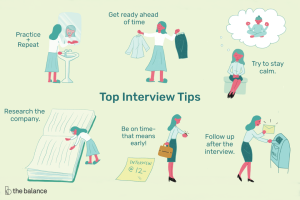
Example Answer: “My results, adaptability, and customer-centric mindset make me an asset; I bring not just numbers but relationships that last.” How to Ace Difficult Sales Interviews Research the company: Know their market, competitors, and sales model. Practice storytelling: Turn achievements into short, data-backed stories. Empathize: Show that you value understanding above pushing. Be authentic; employers value honesty more than perfection. Prepare for tough sales interview questions and best answers-create out-of-the-box questions that challenge creativity and emotional intelligence.
Conclusion
Mastering sales interview questions and answers isn’t about memorizing responses; it’s understanding what employers truly value: persistence, curiosity, and ethics. With each question comes a chance to prove that you don’t just sell products but build relationships and drive growth.
Whether this will be your first sales executive interview or you’re preparing for a senior sales role, it is all about preparation and being real. Anticipate tough sales interview questions and best answers in advance, back them with real examples, and speak with confidence.
Great salespeople don’t just convince; they connect, empathize, and create value-each one of these qualities is in great demand by every employer in today’s competitive market.
Frequently Asked Questions
When responding to tough sales interview questions and best answers, focus on identifying customer pain points, presenting the benefits, and confidently closing. Product knowledge and empathy prove to be strong selling skills.


