Top 10 Management Skills Every Professional Must Develop in 2025
In the modern quick-paced, competitive, and technology-based work environment, learning key management skills is more vital than ever before. With organizations transforming in terms of hybrid working models, automation, and worldwide collaboration, professionals must develop their skills in guiding, planning, and implementing efficiently. As a manager, team leader, or future executive, fine-tuning your management skills in 2025 will become the most important factor in remaining relevant, effective, and successful.
Let's look at the top 10 management skills that every professional needs to acquire to thrive in the contemporary workplace and lead with confidence.
Table Of Content
1. Strategic Thinking and Decision-Making
2. Time Management Skills for Improved Productivity
3. Project Management Skills for Successful Execution
4. Emotional Intelligence (EQ) and Empathy
5. Communication and Interpersonal Management Skills
6. Adaptability and Change Management Skills
7. Leadership and Team-Building Management Skills
8. Problem-Solving and Critical Thinking
9. Digital Literacy and Technology Management Skills
10. Conflict Resolution and Negotiation Management Skills
Why Developing Management Skills Matters in 2025
Practical Steps to Enhance Your Management Skills
Conclusion
Frequently Asked Questions
1. Strategic Thinking and Decision-Making
Gaining strategic management skills needs to include analyzing trends in data, assessing risks, and making decisions that weigh innovation against practicality. With AI and automation affecting every business decision, the ability to mesh data-driven information with instinct will make one a great decision-maker.
To be a master at this skill, begin exercising scenario planning, keep yourself updated on industry trends, and keep an eye on the larger implications of your actions on organizational objectives.
*ishcmc.com
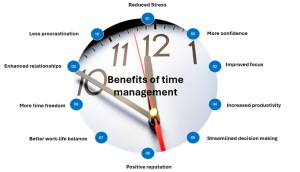
2. Time Management Skills for Improved Productivity
Leaders with strong management skills know how to delegate tasks, set clear deadlines, and juggle multiple responsibilities without sacrificing quality. Tools like Trello, Notion, and Asana can simplify workflows and improve productivity by tracking progress and deadlines.
To build your time management skills, start by identifying your most productive hours, setting specific goals, and using techniques like the Pomodoro method or Eisenhower Matrix to focus on important tasks.
3. Project Management Skills for Successful Execution
Project managers need to be good at resource allocation, budgeting, risk assessment, and communicating with stakeholders. These skills help keep projects on schedule and within scope. Agile and Scrum methods are becoming more popular because they encourage flexibility and teamwork.
To improve your project management skills, consider getting certifications like PMP, PRINCE2, or Agile Scrum Master. Additionally, practice leadership, communication, and problem-solving to tackle challenges that may arise during project execution.
4. Emotional Intelligence (EQ) and Empathy
High-EQ professionals can resolve conflicts, empathize with their colleagues, and achieve a positive workplace culture. These management skills build trust, loyalty, and commitment — all essential for organizational success.
To develop emotional intelligence, exercise active listening, improve empathy, and control your own emotional reactions during stressful situations.
5. Communication and Interpersonal Management Skills
To be successful in today’s multicultural workplaces, professionals need to hone their verbal and non-verbal communication skills. Effective writing of emails, holding effective meetings, and delivering effective presentations are imperative elements of effective management skills.
To communicate better, be transparent at all times, listen carefully, and adjust your communication to the audience. Leadership is not so much about being authoritative but about how well you relate to others.
6. Adaptability and Change Management Skills
Strong change management skills help leaders handle organizational changes, whether from digital transformation, mergers, or shifting customer expectations. Professionals with adaptable management skills stay calm under pressure, foster innovation, and inspire others to accept change.
To improve adaptability, adopt a growth mindset, keep learning new skills, and see challenges as chances to learn and innovate.
*mytimemanagement.com
7. Leadership and Team-Building Management Skills
Strong leaders use their management skills to build trust, connect goals, and encourage accountability. They also recognize each team member’s strengths and use them to achieve shared success.
To develop your leadership potential, concentrate on mentoring others, providing constructive feedback, and creating a work environment where ideas are respected. Leadership in 2025 centers on authenticity, empathy, and teamwork.
8. Problem-Solving and Critical Thinking
Critical thinking allows professionals to discover root causes of issues instead of merely dealing with symptoms. Problem-solving and critical thinking skills include data collection, considering alternatives, and applying durable solutions.
To refine your critical thinking, exercise formal problem-solving techniques such as the 5 Whys or SWOT. This will improve your capacity to make sound, strategic decisions under tight deadlines.
9. Digital Literacy and Technology Management Skills
Skilled professionals with good technology management capabilities are able to make processes efficient, improve decision-making, and foster innovation. From learning digital tools for project management capabilities to leveraging data dashboards for insights, being technologically savvy puts managers ahead of the game.
To develop digital literacy, learn about tools such as Microsoft Power BI, Jira, or Slack, and keep yourself aware of emerging technologies that are relevant to your field.
10. Conflict Resolution and Negotiation Management Skills
Professionals with good negotiation skills can create win-win situations that benefit both the organization and its employees. These management skills need patience, empathy, and strong communication.
To improve this ability, learn to listen actively, separate people from problems, and focus on common goals instead of personal differences. Great leaders view conflicts as chances for growth, not obstacles to progress.
Why Developing Management Skills Matters in 2025
Being skilled in the top 10 management areas will help you tackle complex challenges, lead teams confidently, and make decisions that have a lasting impact. Additionally, as technology becomes part of everyday work, project management skills, emotional intelligence, and communication will be increasingly important across all fields.
Spending time developing these management skills will boost your productivity and position you as a strategic leader capable of driving change and achieving lasting success.
Practical Steps to Enhance Your Management Skills
Take Management Courses:
Leadership, project management, or time management certifications can enhance your credibility as well as your hands-on knowledge of management skills.
Mentorship:
Take guidance from seasoned leaders who can offer advice and feedback on your career development.
Make Use of Technology:
Utilize digital technology for scheduling, teamwork, and analysis to enhance your time management skills and decision-making process.
Practice Empathy:
Cultivate interpersonal awareness through understanding group dynamics and responding thoughtfully to others’ points of view.
Reflect and Adapt:
Periodically assess your strengths and weaknesses to optimize your management capabilities and remain attuned to changing workplace demands.
Conclusion
The 2025 workplace requires responsive, empathetic, and strategic leaders. Building strong management capabilities will allow you to lead assuredly, learn to adapt to change, and drive performance in any setting.
Whether it’s time management skills or project management skills, every competency helps to create an integrated professional profile able to succeed in contemporary organizations. By becoming proficient in these top 10 management skills, you not only become a more effective individual but also motivate others to excel.
The path to being a great manager starts with ongoing learning, self-knowledge, and dedication to personal development. As 2025 looms on the horizon, it’s the ideal time to invest in these essential management skills and set yourself up for long-term career success.
Frequently Asked Questions
The three main types of management skills are technical, human, and conceptual skills. Each type is important for developing project management and time management skills to lead teams effectively and achieve organizational success.


