
Transformational vs. Transactional Leadership: Key Differences Explained
Leadership is among the strongest drivers of an organization's achievement. In schools, start-ups, or multinational companies, the manner in which a leader impacts their followers is key to how far they can reach together. Out of the numerous theories of leadership, two are the most influential and debated — transformational leadership and transactional leadership.
Learning transformational vs transactional leadership not only enables you to recognize your own leadership style but also prepares you to adjust well in varying circumstances. Let's take a look at what differentiates these two styles, how each operates, and when to employ them.
Table Of Content
Understanding Leadership Styles in Context
What Is Transformational Leadership?
What Is Transactional Leadership?
The Historical Origins of Such Leadership Styles
Key Features of Transformational Leadership
Transformational vs Transactional Leadership: Key Differences
Benefits of Transformational Leadership
Benefits of Transactional Leadership
When to Use Transformational or Transactional Leadership
Combining Transformational and Transactional Leadership
The Future of Leadership: Finding the Balance
Conclusion
Frequently Asked Questions
Understanding Leadership Styles in Context
While transformational leadership is concerned with motivating and empowering individuals to perform beyond expectations, transactional leadership is concerned with structure, performance management, and reward-based systems. Both are important roles depending on an organization’s culture and goals.
When we examine transformational vs transactional leadership, we can discover not only how leaders lead, but also how their style influences motivation, innovation, and success.
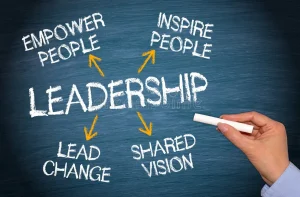
What Is Transformational Leadership?
A case in point is when a transformational leader says, “Let’s make 10% more sales.” He/She could easily say, “Let us enhance the value that changes the way the customers experience our product.” The message in both cases is the same, but the second scenario inspires motivation and adds to a significant contribution.
Transformational leaders often have qualities like empathy, integrity, and emotional intelligence. They build trust, encourage innovation, and create a sense of ownership among team members. By offering support and guidance, they help employees reach their full potential, which is a key aspect of transformational leadership.
When comparing transformational and transactional leadership, the transformational approach is notable for focusing on long-term personal and organizational growth rather than just short-term results.
*Dreamstime.com
What Is Transactional Leadership?
A transactional leader sets clear goals, defines expectations, and gives rewards or consequences based on results. For instance, if a salesperson meets their target, they earn a bonus. If they do not meet their target, they may receive corrective feedback or lose certain privileges.
This approach guarantees consistency, discipline, and efficiency. Transactional leadership works especially well in organizations where tasks are routine, measurable, and time-sensitive, such as manufacturing, finance, or logistics.
When examining transactional and transformational leadership, it becomes clear that transactional leaders maintain stability and control, while transformational leaders drive change and innovation.
The Historical Origins of Such Leadership Styles
Bernard Bass later developed on Burns’ theories, suggesting that great leadership is a combination of both styles. His Full Range Leadership Model proved that transformational and transactional leadership are not mutually exclusive but complementary forces that combined make organizational success possible.
Such academic underpinnings remain the guiding force behind leadership development programs globally, suggesting the strength of learning about transformational vs transactional leadership.
Key Features of Transformational Leadership
Transformational leaders are visionaries who lead by passion and purpose. Their key characteristics are:
Inspirational Motivation:
They have a clear vision that motivates followers to transcend self-interest.
Individualized Consideration:
They personalize their approach, mentoring and supporting each team member.
Intellectual Stimulation:
They think outside the box, stimulating creative problem-solving.
Idealized Influence:
They set an example, leading with integrity and authenticity.
Since transformational leadership interfaces with emotional and cognitive involvement, it is particularly suited to changing environments like education, technology, and healthcare.
In talking about transformational versus transactional leadership, this people-centered philosophy quite decidedly differs from the rule-based nature of transactional approaches.
Transformational vs Transactional Leadership: Key Differences
| Aspect | Transformational Leadership | Transactional Leadership c |
| Focus | Vision, growth, and innovation | Structure, control, and performance |
| Motivation Type | Intrinsic – driven by values and purpose | Extrinsic – driven by rewards and penalties |
| Approach | Empowering and participative | Directive and managerial |
| Time Orientation | Long-term Development | Short-term objectives |
| Communication Style | Open dialogue and feedback | Instructional and top-down |
| Outcome | Inspired and innovative teams | Efficient and disciplined teams |
This comparison shows that transformational and transactional leadership is not a matter of good versus bad. Instead, it’s about matching the right approach to the right situation.
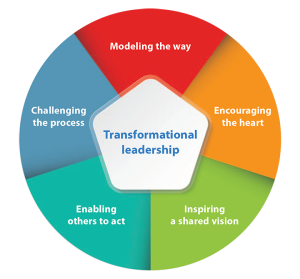
Benefits of Transformational Leadership
- Improved Employee Engagement: Workers feel valued and part of a larger mission.
- Innovation and Creativity: Open communication encourages experimentation.
- Strong Organizational Culture: A shared vision builds trust and unity.
- Resilience in Change: Transformational leaders guide teams through uncertainty with confidence.
*MyAmericanNurse
In exploring transformational versus transactional leadership, it is clear that transformational leaders perform best in environments where adaptability and innovation are essential.
Benefits of Transactional Leadership
- Clarity and Structure: Everyone knows what is expected.
- High Efficiency: Tasks are completed on time and within standards.
- Immediate Feedback: Rewards and corrections are swift.
- Consistency in Performance: Routine operations run smoothly.
For organizations prioritizing control, compliance, or measurable productivity, transactional leadership remains a proven strategy. It ensures stability — a foundation on which transformational methods can later build.
This reinforces the idea that transactional and transformational leadership are complementary rather than competing.
When to Use Transformational or Transactional Leadership
On the other hand, transactional leadership is most effective in structured, routine-driven environments. This includes places like manufacturing plants, retail operations, or customer service centers, where following rules and efficiency are crucial.
Knowing when to use each approach is key to mastering transformational and transactional leadership.
Combining Transformational and Transactional Leadership
This combination ensures operational excellence while fostering inspiration and growth. By balancing structure with creativity, leaders can guide teams effectively through times of stability and change.
When thinking about transformational versus transactional leadership, this integration offers the most practical and impactful approach for today’s world.
The Future of Leadership: Finding the Balance
Digital transformation, hybrid work, and global collaboration require flexibility. Transformational leadership will drive innovation, while transactional leadership will make sure that systems stay efficient and reliable. The balance between these two styles will define leadership success in the 21st century.
In essence, the discussion about transformational and transactional leadership is not about picking sides; it’s about achieving balance.
Conclusion
Both transformational leadership and transactional leadership play important roles in shaping organizations. Transformational leaders inspire, innovate, and uplift; transactional leaders organize, manage, and carry out tasks.
Understanding transformational and transactional leadership helps professionals know when to dream and when to deliver. The most effective leaders combine both styles—motivating teams with purpose while keeping order and accountability.
In today’s rapidly changing world, it’s not just about being one type of leader. It’s about knowing when to be transformational, when to be transactional, and how to blend the two for lasting impact.
Frequently Asked Questions


