Emerging Trends in Supply Chain Analytics and Operations
Over the last few years, international business landscapes have experienced seismic changes fueled by digital transformation, sustainability aspirations, and the requirement for data-driven decision-making. Supply chain operations and supply chain analytics have turned into major drivers of competitive advantage, agility, and resilience. Organizations are no longer satisfied with merely navigating logistics and stock; they now rely on analytical insights to predict demand, optimize procurement, and deliver smooth operations and supply chain alignment.
This post discusses the new trends in supply chain operations and analytics, highlighting how new-age technologies and approaches are revolutionizing the supply chain management strategy planning & operation framework across sectors.
Table Of Content
The Emergence of Data-Driven Decision Making in Supply Chain Analytics
Predictive and Prescriptive Analytics for Supply Chain Optimization
Artificial Intelligence and Machine Learning Transforming Supply Chains
Internet of Things (IoT) and Real-Time Visibility
Blockchain for Transparency and Trust in Supply Chains
Digital Twins and Simulation Modeling
Green Supply Chain and Sustainability Initiatives
Cloud-Based Supply Chain Platforms and Data Integration
Robotics and Automation in Warehousing
Integrating Risk Management and Resilience Analytics
The Function of Big Data and Cloud Analytics
Collaboration and Ecosystem Integration
The Human Element: Upskilling and Data Literacy
The Future Outlook of Supply Chain Analytics and Operations
Conclusion
Frequently Asked Questions
The Emergence of Data-Driven Decision Making in Supply Chain Analytics
Current supply chain analytics entails more than conventional data gathering. It encompasses predictive and prescriptive analytics to foresee disruptions, analyze supplier performance, and optimize supply chain operations efficiency. Data-driven decision-making has become the cornerstone of operations and supply chain management, enabling organizations to respond to uncertainties with speed and accuracy.With the competitive scenario of today, companies employ sophisticated analytics software to examine procurement, manufacturing, and logistics patterns. This convergence aids supply chain strategy planning & operation by offering real-time visibility into variability in demand and supplier reliability. Predictive analytics, for example, can detect upcoming spikes in demand so that planners can make the best use of resources and reduce expenditure.
Predictive and Prescriptive Analytics for Supply Chain Optimization
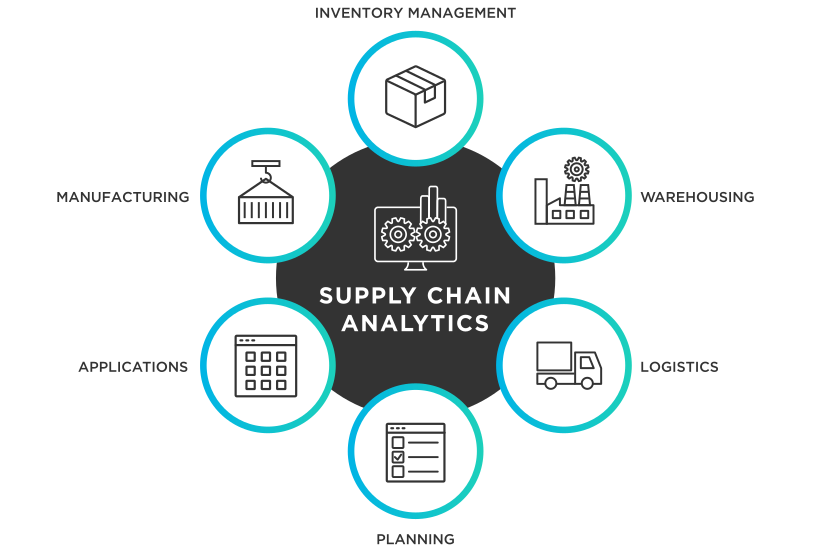
One of the most significant changes in supply chain analytics is the use of predictive and prescriptive models. Predictive analytics uses historical data to forecast possible outcomes, while prescriptive analytics suggests actions to achieve the best results. Together, they streamline supply chain operations, reduce inefficiencies, and improve forecasting accuracy.For example, predictive tools can identify when certain raw materials may face shortages, while prescriptive analytics can suggest alternative sourcing strategies. This level of intelligence is crucial for flexible operations and decision-making in supply chains, especially in industries with unpredictable demand.
Organizations that include these technologies in their supply chain management and operations gain a strong competitive edge through better visibility and proactive risk management.
*SpotFire
Artificial Intelligence and Machine Learning Transforming Supply Chains
Artificial intelligence (AI) and machine learning (ML) have changed supply chain analytics by automating repetitive tasks and finding patterns in large data sets. AI-driven tools can spot demand anomalies, optimize delivery routes, and recommend supplier changes based on performance data. In supply chain operations, AI enhances warehouse automation with smart robotics and effective sorting systems. It improves operations and supply chain performance by predicting when machinery needs maintenance, reducing downtime, and ensuring smooth production.
Additionally, AI-powered algorithms are changing supply chain management and operations by enabling adaptive planning. This helps supply chains stay strong, efficient, and able to adjust to changing market conditions.
Internet of Things (IoT) and Real-Time Visibility
The Internet of Things (IoT) has become the pillar of supply chain analytics, offering real-time visibility into all stages of product flow. IoT-empowered sensors monitor shipments, track environmental conditions, and send useful information to centrally located analytics platforms.Increased visibility allows supply chain operations managers to identify delays, reduce risks, and guarantee quality compliance. With connected devices, organizations can drive data collection in warehouses and distribution centers, making information flow smooth for improved operations and supply chain synchronization.
This integration makes supply chain management strategy planning & operation much more robust, as decision-makers can instantly act on real-time data to drive waste reduction, enhance customer satisfaction, and attain operational excellence.
Blockchain for Transparency and Trust in Supply Chains
Blockchain technology has become essential in supply chain analytics for improving transparency and traceability. By recording every transaction on a distributed ledger, blockchain guarantees data integrity and builds trust among stakeholders.In supply chain operations, blockchain removes manual errors and fraudulent activities by providing a single, unchangeable version of the truth. For example, it can verify the authenticity of materials in the pharmaceutical or food industry, ensuring compliance with safety regulations.
Integrating blockchain into operations and supply chain workflows improves accountability and reduces disputes among suppliers, carriers, and customers. It also strengthens supply chain management strategies and operations by ensuring ethical sourcing and regulatory compliance.
Digital Twins and Simulation Modeling
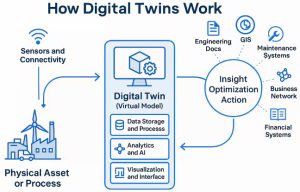
Digital twins are virtual copies of physical assets or processes used to simulate real-world supply chain dynamics. This idea has quickly gained popularity in supply chain analytics because it allows companies to model scenarios, test ideas, and predict outcomes without disrupting actual operations. In supply chain operations, digital twins help planners assess the impact of changes, such as modifying delivery schedules or adjusting supplier networks. The ability to visualize end-to-end operations and supply chain processes helps decision-makers anticipate potential disruptions and design contingency plans.
Through this approach, organizations can improve their supply chain management strategies and operations by continuously optimizing workflows and enhancing performance in a virtual environment.
*OpenText
Green Supply Chain and Sustainability Initiatives
Sustainability is a major theme in contemporary supply chain analytics, with organizations required to reduce their environmental impact without sacrificing efficiency. Analytics solutions enable the quantification of carbon emissions, monitoring of resource utilization, and detection of opportunities for improvement in supply chain processes. Firms today incorporate environmental, social, and governance (ESG) considerations into operations planning and supply chain planning with compliance to sustainability objectives. Route optimization analytics to minimize fuel consumption, for instance, while demand forecasting to avoid overproduction and wastage.
Incorporating sustainability into supply chain management strategy planning & operation supports the world as well as brand image and long-term profitability.
Cloud-Based Supply Chain Platforms and Data Integration
The migration to cloud computing has altered the way companies handle supply chain analytics and data sharing through worldwide networks. Cloud-based applications support real-time data sharing between distributors, suppliers, and customers, and collaboration in supply chain processes.By getting all information into one place, companies can realize integrated visibility of procurement, logistics, and inventory operations. Integrated views drive improved operations and supply chain efficiency and facilitate quicker response to disruption or fluctuations in customer demand.
Cloud technology enables scalable and elastic supply chain management strategy planning & execution, allowing organizations to respond rapidly and deploy analytics solutions across various geographical locations with ease.
Robotics and Automation in Warehousing
Automation is now a key element in modern supply chain operations. Robots handle order picking, packaging, and transportation in warehouses, significantly improving speed and accuracy.These innovations are closely tied to supply chain analytics because data from automated systems helps with better decision-making. Automated guided vehicles (AGVs) and robotic arms make operations and supply chain workflows smoother, cutting down on manual work and costs.
When paired with smart analytics, automation improves planning and operations in supply chain management by boosting throughput, reducing lead times, and creating highly responsive logistics systems.
Integrating Risk Management and Resilience Analytics
Recent global disruptions have highlighted the need for resilience in supply chain analytics. Companies are increasingly using risk modeling and scenario planning tools to predict and reduce potential disruptions.By incorporating risk assessment into supply chain operations, firms can respond quickly to geopolitical issues, natural disasters, or market changes. This integration keeps operations and supply chain networks flexible and adaptable under pressure.
Building a resilient supply chain management strategy means finding weak points, diversifying supplier bases, and using analytics to ensure service continuity even during crises.
The Function of Big Data and Cloud Analytics
The amount, speed, and variability of data produced on supply chain analytics platforms are tremendous. Big Data technologies allow organizations to capture, process, and analyze these datasets to derive actionable insights.In supply chain operations, sensor data, ERP data, and customer touchpoints can be aggregated for predictive analytics. These can be used to optimize operations and supply chain performance by detecting trends in demand, transportation, and supplier reliability.
If used in conjunction with supply chain management strategy planning & operation, Big Data analytics can enable dynamic resource allocation, cost optimization, and enhanced end-to-end visibility.
Collaboration and Ecosystem Integration
With increasing complexity in supply chains, partnership among stakeholders has been a major trend in supply chain analytics. Firms are now creating digital ecosystems where they can exchange information securely and effectively.
Joint platforms optimize supply chain activities by linking manufacturers, suppliers, logistics providers, and retailers in real time. With this connectivity, transparency is achieved, and operations and supply chain performance are enhanced through the elimination of redundancies and increased coordination.
Strategic alliances developed via supply chain management strategy planning & operation create innovation, responsiveness, and improved customer service results.
The Human Element: Upskilling and Data Literacy
Even with technological progress, human expertise is still crucial in supply chain analytics. Organizations are putting more money into upskilling programs to improve employees’ analytical abilities. In supply chain operations, data-literate managers can read analytical reports and make informed decisions more quickly. Building operations and supply chain skills helps employees use digital tools effectively to boost efficiency.
Incorporating talent development into supply chain management and planning creates a workforce ready to take advantage of new technologies, encouraging both innovation and operational success.
The Future Outlook of Supply Chain Analytics and Operations
The future of supply chain analytics depends on combining AI, IoT, blockchain, and cloud technologies into integrated systems that support real-time decision-making. These technologies will change supply chain operations, promoting flexibility, sustainability, and a focus on customers. The merging of digital transformation with sustainability goals will change operations and supply chain management across various industries. Companies that focus on innovation and data integration will stay strong and competitive in the changing global market.
In the end, future supply chain management and planning will emphasize complete digitalization, promoting a balance between efficiency, sustainability, and agility.
Conclusion
The change in supply chain analytics and operations is altering how global businesses operate. From predictive analytics and AI insights to blockchain transparency and IoT connectivity, the field of operations and supply chain is moving toward intelligence-driven automation and resilience.
Organizations that welcome these trends in supply chain management and planning will set themselves up for long-term success. Merging technology, sustainability, and human expertise will shape the next era of efficient, agile, and smart supply chains.
Frequently Asked Questions
The three pillars of supply chain management are strategy, planning, and operation, which constitute the backbone of logistics and resource management. All three collectively reinforce supply chain operations and ensure streamlined coordination across networks.


