
Undergraduate Vs. Graduate: What’s The Difference?
Success doesn’t follow one straight path; rather, it is determined by what choices you personally make and what credentials you achieve along the way. One of the most common dilemmas students face is: Should I stop after my undergraduate degree or continue with a graduate degree? Of course, this is an overwhelming question. The answer to this dilemma is influenced by your anticipated goals, aspirations, and vision for your career.
The undergraduate vs graduate debate is more than just choosing how many years you study. This decision involves what type of knowledge you want, how much knowledge you want, and how you wish to advocate for yourself in the job market. To help you with your decision, let’s develop a discussion of undergraduate vs graduate degrees and learn what the difference is between undergraduate and graduate.
Table Of Content
What is an Undergraduate Degree?
What is a Graduate Degree?
Key Differences: Undergraduate vs Graduate
Undergraduate vs Graduate Degree: Which one should you pursue?
Wrapping Up
Frequently Asked Questions
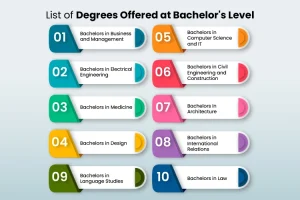
What is an Undergraduate Degree?
What is a Graduate Degree?
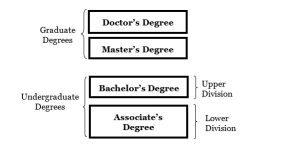
Key Differences: Undergraduate vs Graduate
Undergraduate vs Graduate Degree: Which one should you pursue?
- If your primary focus is to explore a subject, obtain general knowledge, and launch a career in a short amount of time, an undergraduate degree is critical.
- If your primary focus is a specialised skill set, upward mobility, or academic or research progress, graduate school might be your next step.
For Example:
- A student earning a bachelor’s degree in computer science will qualify for work as a software developer without obtaining a graduate degree.
- That same student can earn a master’s degree in AI or data science as a way to specialise in a program, which may lead to a higher-paying role or academic or research role in the future.
Wrapping Up
Deciding between an undergraduate and vs graduate degree is indeed an important step in your academic and professional journey. However, the decision between the two degrees depends on your professional goals and long-term career plans. Therefore, you may find yourself in a situation where you have to choose between advancing your career immediately or pursuing further education. If these things are making things complicated, it’s time to reach out to academic advisors and career counsellors. And this is where Jaro Education makes a difference.
So, if you are aiming for higher education or for graduate studies and want to avoid making rash decisions, Jaro Education is here to help. We assist students in making strategic decisions for their future by offering personalised academic guidance and career counselling. As a leading online higher education and upskilling company, we also bring online degree courses that can help you earn a degree in BA, B.Sc., MBA, MCA, and B.Com in collaboration with prestigious universities like Amity, Symbiosis, IIT, IIM, which can further help you to get an internationally accredited degree with knowledge. Shape your future with Jaro Education right away.
Frequently Asked Questions
Undergraduate degrees emphasise a wide-ranging foundation, while graduate degrees cater to specialised, advanced study in a selected field.


