 HOME > BLOG > Business Management > What is Operations Management? Functions, Skills, and Career Path
What is Operations Management? Functions, Skills, and Career Path
 December 1, 2025
 8 min read





Table Of Content
- Understanding Operations Management
- Key Functions of Operations Management
- Why Operations Management is Important
- Essential Operations Management Skills
In all organizations, from manufacturing to healthcare to retail, there's one department that keeps everything running smoothly in the background — operations management. This critical role is all about turning resources into products and services as effectively as possible. Whatever it is, optimizing production, ensuring quality, or handling logistics, operations management is the backbone of any successful business.
In the contemporary competitive business environment, operations management experts are in great demand. They assist firms in reducing expenditure, boosting productivity, and ensuring quality. So, what is operations management, exactly? What are operations management functions, and how can one create a fulfilling career in this field? Let's examine further.
Understanding Operations Management
Fundamentally, operations management is concerned with designing and controlling the process of producing and conducting business. Planning, organizing, and overseeing processes are necessary to make sure that an organization’s resources—materials, labor, and technology—are effectively utilized in order to achieve business objectives. The primary focus of operations management is to become highly efficient and supply quality goods or services to customers. It fills the gap between strategy and action by converting company strategies into functional operational procedures.
An operations manager makes sure that everything, right from supply chain management to quality checks, runs smoothly. Operations management functions cut across procurement, production, logistics, and even customer service, making sure that coordination is smooth within all departments.
Key Functions of Operations Management
The functions of operations management cover every aspect of how products or services are created and delivered. Let’s explore the major components that define this vital business function.
1. Planning and Forecasting
The first and most important function of operations management is planning. It involves figuring out the resources, schedules, and production targets needed to meet customer demand efficiently.
Operations managers use demand forecasting, capacity planning, and production scheduling tools to connect business goals with resource availability. Effective planning keeps operations proactive instead of reactive, which helps reduce waste and delays.
Strong operations management skills such as analytical thinking and data-driven forecasting are essential in this phase.
2. Product and Process Design
Another important function of operations management is designing products and processes that meet customer needs while improving cost and time. Product design defines what to produce, while process design shows how to produce it efficiently.
An operations manager ensures that the production process is standardized and efficient, which cuts down on unnecessary costs. Having excellent operations management skills like innovation, process optimization, and strategic planning are vital for success in this area.
3. Quality Management
Quality management is perhaps the most significant operations management function. It makes sure the organization has high standards of quality in its products or services.
This activity means applying quality control systems like Six Sigma, Total Quality Management (TQM), or ISO standards to track and improve performance. Good operations management skills such as attention to detail, quality assurance, and problem-solving are necessary to ensure consistency and reliability.
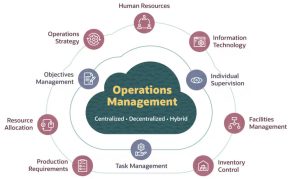
4. Supply Chain Management
Supply chain management is also an essential operations management function. It comprises sourcing raw materials, supplier management, logistics coordination, and distribution of products to customers effectively.
An operations manager has to ensure that the supply chain is efficient and low-cost. They liaise with procurement teams, logistics companies, and distributors to reduce lead times and keep inventory levels consistent. Effective operations management traits such as negotiation, supply chain optimization, and communication are very important here.
*NetSuite
5. Inventory Management
Among the key functions of operations management, inventory management plays a vital role in balancing supply and demand. It involves maintaining the right amount of stock to meet customer requirements without overstocking or understocking.
Contemporary operations management is based on computer programs for tracking inventories, forecasting demand, and managing warehouses. Operations management professionals with strong data analytics and inventory optimization skills can prove to be of immense help in cutting costs and boosting efficiency.
6. Production and Scheduling
Production scheduling is another important operations management function that identifies when and how production activities will be executed. The intention is to allocate resources efficiently while adhering to timetables.
Operations managers manage production schedules, handle manpower allocation, and control daily production. Operations management proficiency in skills such as time management, planning, and coordination guarantees efficient execution of production objectives.
7. Maintenance and Facility Management
Facility management and maintenance are often overlooked, but they are essential functions of operations management. Regular maintenance keeps machinery, equipment, and infrastructure running smoothly and helps prevent costly breakdowns.
By setting up preventive maintenance schedules and investing in modern equipment, companies can lower downtime and improve productivity. Good technical and problem-solving skills are crucial for managing this function effectively.
Why Operations Management is Important
The importance of operations management is significant. It plays a key role in achieving efficiency, cutting costs, and ensuring customer satisfaction. Businesses that excel in operations management can stay competitive by producing high-quality products faster and at lower costs. The functions of operations management directly affect profitability and productivity. A well-managed operation makes sure resources are used well, processes are streamlined, and customers have a consistent experience.
Professionals with strong operations management skills can spot inefficiencies, reduce waste, and support long-term business sustainability. They connect strategic vision with daily execution.
Essential Operations Management Skills
To succeed in this field, professionals need a mix of technical, analytical, and interpersonal skills. Here are the top skills needed:
1. Analytical and Problem-Solving Skills
Operations managers often deal with challenges like supply shortages or production delays. Strong analytical skills help them find root causes and implement effective solutions quickly.
2. Leadership and Team Management
As operations management entails coordinating huge teams, leadership capabilities are essential. Operations managers need to encourage employees, solve conflicts, and ensure good communication between departments.
3. Communication Skills
Communication skills are one of the most important operations management skills necessary to manage cross-functional teams and outside parties such as suppliers and customers.
4. Time and Resource Management
Effective time and resource management is the core of all operations management functions. An operations manager has to prioritize and distribute resources where they are needed the most.
5. Technical and Process Knowledge
Technical knowledge of machinery, manufacturing processes, or service delivery systems is perhaps the most essential operations management skill for technical sectors such as manufacturing or logistics.
6. Strategic Thinking
Operations managers need to couple day-to-day operations with long-term organizational objectives. Planning strategically is thus an important operations management competency that provides ongoing improvement.
7. Flexibility and Decision-Making
In today’s fast-paced world, being adaptable is crucial. The finest operations management professionals are able to make timely decisions and change course as market conditions evolve.
Career Path in Operations Management
A career in operations management offers various opportunities in industries like manufacturing, logistics, healthcare, retail, and information technology. The functions of operations management differ by sector but always center on efficiency, quality, and improving processes. Here’s how you can build a successful career in this field:
1. Educational Foundation
A bachelor’s degree in business administration, industrial engineering, supply chain management, or related fields is usually the starting point for a career in operations management.
To advance, professionals may pursue specialized degrees or certifications that improve their operations management skills. Options include an MBA in Operations or certifications like Lean Six Sigma and PMP.
2. Entry-Level Roles
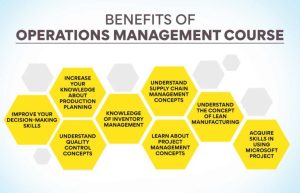
Recent graduates often begin as Operations Executives, Production Coordinators, or Supply Chain Analysts. These positions focus on learning the basic functions of operations management, including scheduling, inventory management, and quality control.
3. Mid-Level Roles
As professionals gain experience and develop their operations management skills, they can transition to roles such as Operations Manager, Plant Manager, or Project Manager. These positions require a strong understanding of process optimization and resource management.
4. Senior-Level Roles
With substantial experience, professionals can attain senior positions like Director of Operations, Vice President of Operations, or Chief Operations Officer (COO). These roles require advanced skills in operations management, including strategic planning, leadership, and expertise in business transformation.
5. Industry Opportunities
*Edureka
Experts in operations management are needed across various industries:
- Manufacturing: Emphasize production efficiency and quality control.
- Retail: Manage supply chain, logistics, and inventory.
- Healthcare: Coordinate hospital operations and patient care.
- IT & Services: Streamline workflows and project delivery.
- Logistics: Improve transportation and warehouse management.
In all these areas, operations management functions stay at the core of attaining efficiency, cost management, and customer satisfaction.
Future Trends in Operations Management
The operations management landscape is changing with the new technological advancements of automation, AI, and data analytics. These are reshaping the way the operations management functions are performed.
New trends are:
Digital Transformation: ERP and AI system integration for enhanced forecasting.
- Sustainability: Implementation of environmentally friendly manufacturing and supply chains.
- Data-Driven Decisions: Leveraging big data to enhance accuracy and efficiency.
- Remote Operations: Utilization of IoT and cloud infrastructure for virtual monitoring.
Experts who improve their operations management competency in these fields will be ahead of the curve in the industry.
Conclusion
Operations management is, in effect, the heartbeat of any business, guaranteeing that each process, from manufacturing to delivery, is efficiently executed. Operations management functions include planning, quality assurance, supply chain management, and continuous improvement with the goal of achieving maximum productivity and customer satisfaction.
Building effective operations management skills creates doors to varied career paths, leadership positions, and sustainable development. As organizations continue to transform in the era of digitization, operations professionals will continue to be critical in formulating strategies that drive performance and innovation.
Therefore, if you want to be a leader of organizational effectiveness, become a master of operations management functions, and develop a successful career, now is the ideal moment to develop your operations management skills and join this exciting field.
Frequently Asked Questions
Operations management is the process of planning, organizing, and controlling business operations to ensure efficiency and quality. It aims to use resources wisely and improve productivity through effective operations management practices.
The 5 P’s of operations management are People, Plants, Processes, Parts, and Planning. These elements work together to achieve operational excellence and build strong operations management skills within the organization.
Find a Program made just for YOU
We'll help you find the right fit for your solution. Let's get you connected with the perfect solution.

Is Your Upskilling Effort worth it?
 ROI Calculator

Are Your Skills Meeting Job Demands?
Try our Skill Gap tool
Experience Lifelong Learning and Connect with Like-minded Professionals
Explore Jaro Connect

